

NEWS

BACK TO LIST
How much do you know about Central Asian “Stans”?
- Date 2018-05-18 07:03
- CategoryNews
- Hit2736
The year of 2018 marks the 26th anniversary of diplomatic relations between the Republic of Korea and Central Asian states. Laying in the heartland of the Eurasian continent, which had served long as the Silk Road’s crossroad of communication and trade, Central Asia (CA) embraces these major five states: Kazakhstan, Kyrgyzstan, Tajikistan, Turkmenistan, and Uzbekistan. Attributed to its geo-politically important location, CA region has always been strategic points of interests for any Superpowers (currently - Eurasian Economic Union (Russia), One Belt, One Road (China), and New Silk Road (USA)).
Home to Koryo Saram
Central Asia is home to ethnically diverse societies, including more than 300,000 Koryo Sarams (Soviet Koreans). Ethnic Korean families had been documented to be settled in Far East Russia from 1863 onwards due to socioeconomic hardships inflicted by the Korean monarchy. By 1937, the number of ethnic Koreans in Russia amounted to 171, 781.
Due to the Russo-Japanese animosity of that period, the Korean settlements in Russia were seen as a danger of espionage, which led to Stalin''s huge deportation of the whole Korean population to Central Asia. They were the biggest ethnic group to be forced into Soviet propaganda and relinquish their cultural identity, but after Stalin''s death (1953), Koryo saram were given freedom to practice their ethnic identity, culture, and language, enriching the cultural diversity of a region.
The CA region, with a 70 million population, is a custodian of a rich history and has long been the center of education, architecture, religion, handcraft, and poetry. The region holds plentiful natural resources, minerals, and fuels, as well as ideal agricultural fields, nurtured by rivers streaming from sky-high mountains.
Crossroad of Cultures
Uzbekistan, as the most populated double landlocked country of the region, is the charming “museum”, rich in historical structures and places. Samarqand, the second largest city of Uzbekistan, dates back to 7-8th centuries, in which the city prospered on the crossroad of Silk Road, connecting China and the Mediterranean. It is listed in the World Heritage List as the city represents the valuable treasure of preserved crafts as ceramics, embroidery, silk weaving, and painting.
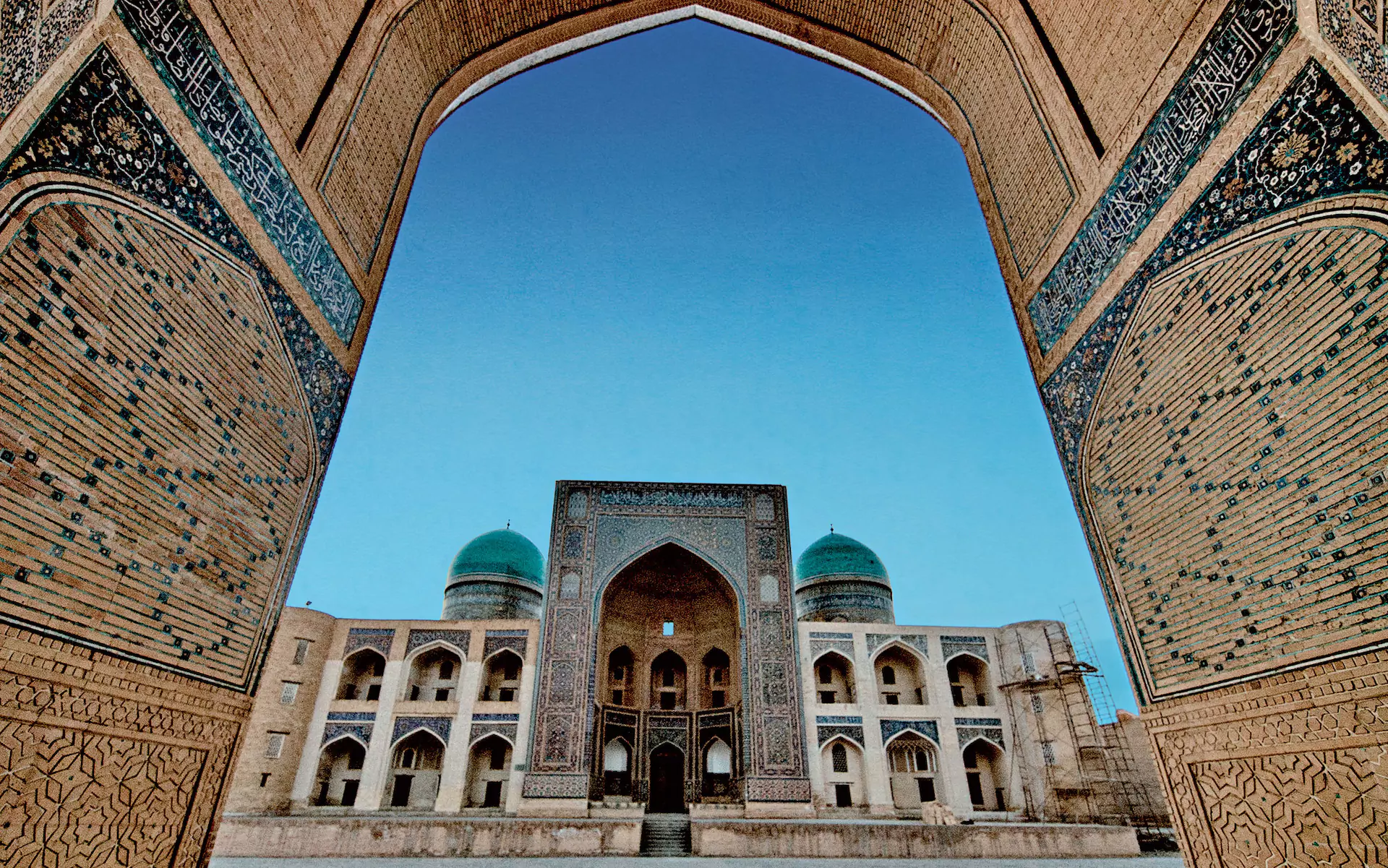 Samarkand, Uzbekistan
City of the Future
Kazakhstan’s capital city - Astana, emerged to be the most booming city, with futuristic architecture in the region, serving as the focal financial point between Moscow and Beijing. Its luxurious skyscrapers, magnificent buildings and dozens of malls attract numerous backpackers. Indeed, Astana represents the living model where the indigenousness coexists with modernity and bold claims for tomorrow.
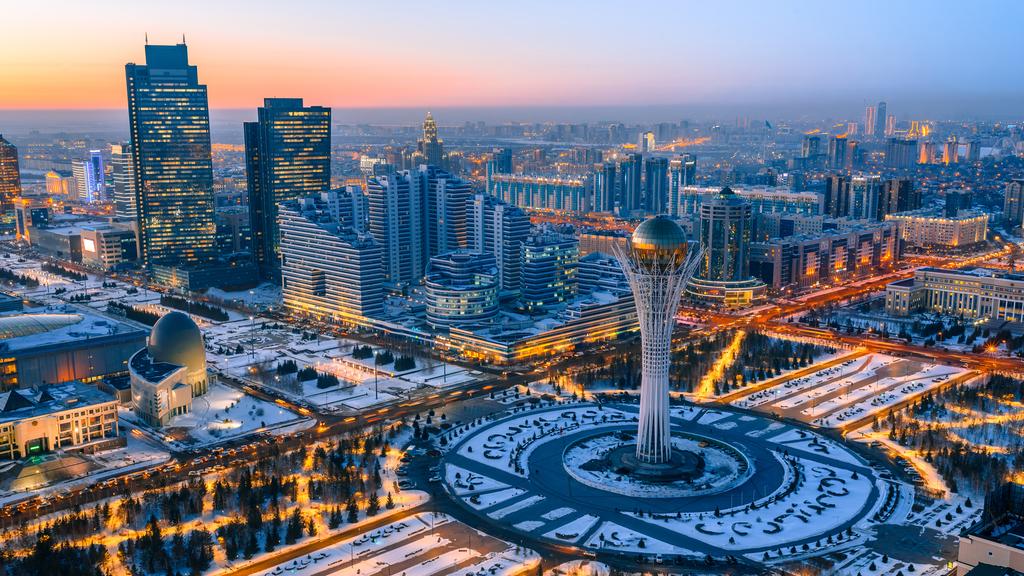
Bayterek Tower in Astana, Kazakhstan (Nick Walton)
Nomad Culture
Kyrgyzstan, as an “island of democracy” in Central Asia, is called the “second Switzerland”. 80% of the country is covered with mountains. Kyrgyzstan still honors its ancient nomad culture and traditions. It is common for tourists to experience living in yurts, and enjoy nomad lifestyle along with traditional cuisine and drinks as kymyz (horse milk). Since 2014, as a way of preserving centuries-long nomad traditions, Kyrgyzstan has become the pioneer in initiating the World Nomad Games held every two years, reviving the legacies of nomad cultures around the world by ethnic games and activities.
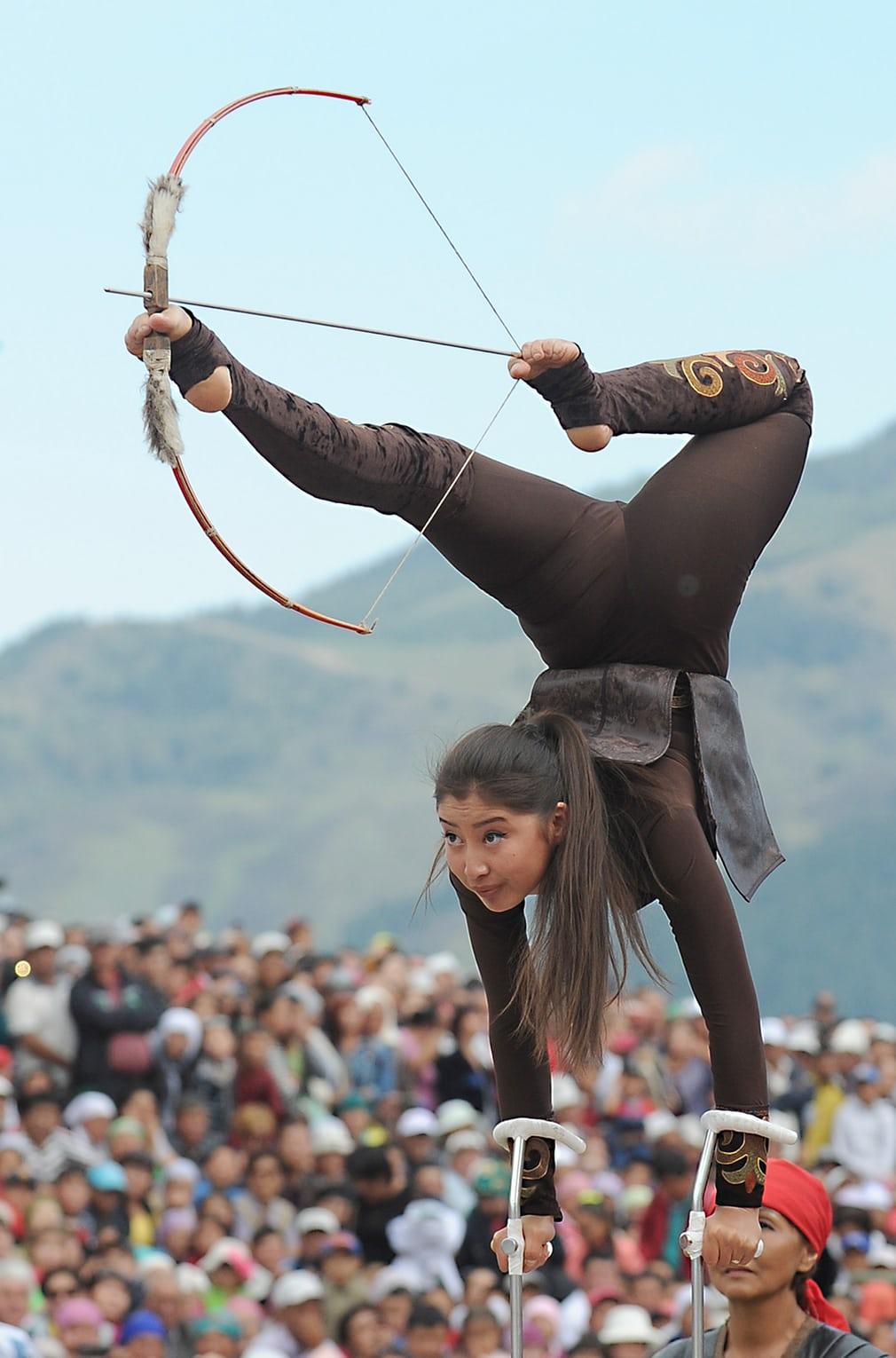
Archery, Cholpon-Ata, Kyrgyzstan
Outstanding Crafts
The ancient applied arts of carpet-weaving is the most praised cultural symbol of Turkmenistan. Turkmen rug, a floor-covering textile, has been woven with wool, cotton, and silk, and has designated peculiarities of different nomad tribes. Complex patterns and ornamentations are colorfully embroiled into the densely knotted carpets are renowned by the world’s prestigious fairs and exhibitions. One weaver crafted the world’s largest carpet that was entered in the Guinness Book of Records in 2003; Turkmen Ministry of Carpets celebrates this on the Carpet’s Day in last Sunday of May and continues preserving the centuries-long mastery of handmade marvel.
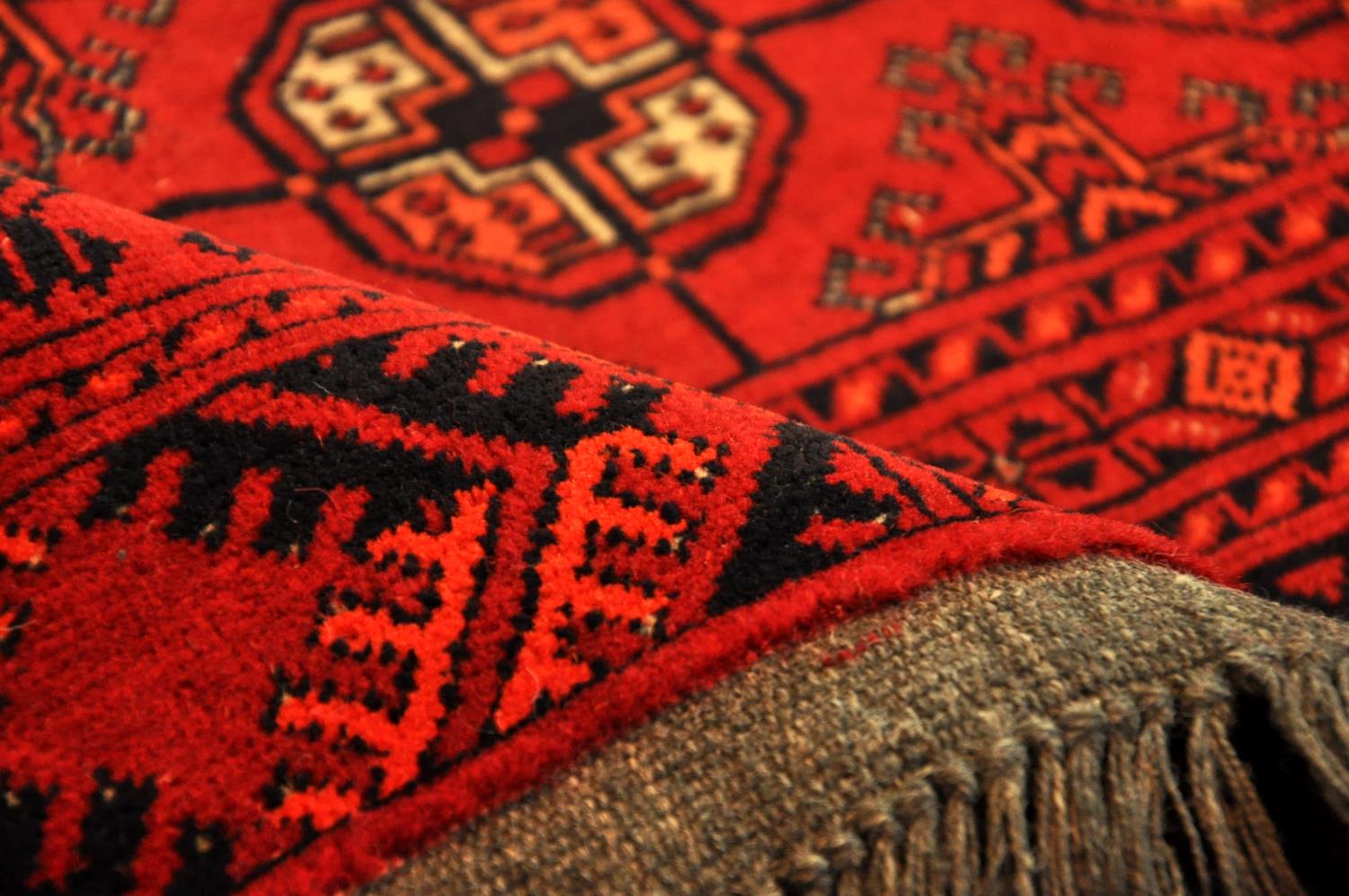
Turkmen rug (Alesouk)
Art of Baking Bread
Tajikistan, the smallest state in the region and the most abundant in water reserves, is often called as the “roof of the world”, with almost half of the country located 10,000 feet above the sea level. As the descendants of Persian culture and language (unlike the rest of the CA states with Turkic origins), Tajikistan has a very unique way of making bread. Bread, as the dearest and the most important staple of life across the whole region, is a vital part of every table. The bread is made in a special cylindrical clay oven heated by charcoal or wood hitting the 480 ℃, which produces wonderful flatbread with a golden crust and amazing smell.
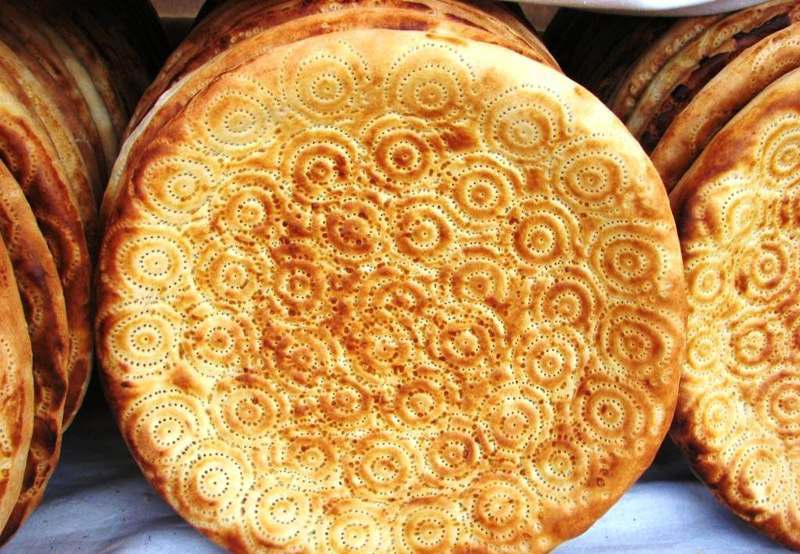
Beautiful Tajik Bread
By Ranat RYSBEK (2017 MPP, Kyrgyzstan)
TAG
#Central Asia
Related News
No Contents.