

NEWS

BACK TO LIST


Professor Siho Park Joins KDI School, Shares Vision for Health Economics, Policy Practice and the Classroom
- Date 2026-08-20 15:57
- CategoryStory
- Hit809
Professor Siho Park, a newly appointed KDI School faculty member, says access to policy data, opportunities for research collaboration and the institution’s international student community influenced his decision to join the school.
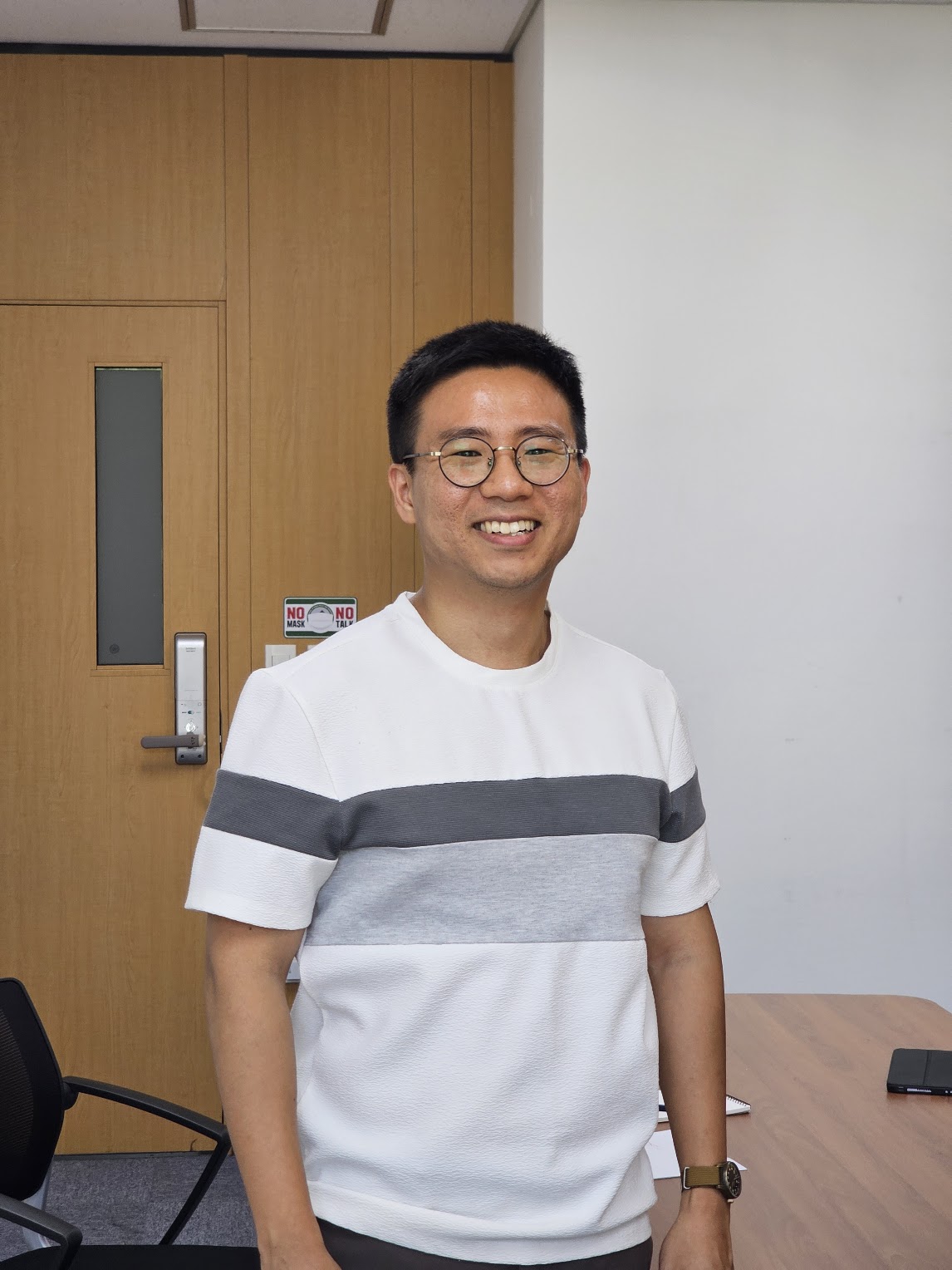
Prof. Park recently joined the KDI School of Public Policy and Management, bringing expertise in health economics, public finance and government health policy. In this interview, he discusses what attracted him to KDI School and Sejong City, the courses he will teach, the gap between policy theory and practice, and the importance of remaining open to unfamiliar academic and career opportunities.
What drew you to join KDI School and Sejong City?
There were two main reasons I decided to come here. I had several other opportunities in the United States, Europe and elsewhere in Korea, but KDI School was particularly attractive because of my long-term research plans. My field is health economics, with a focus on public health policies. I have worked extensively with healthcare and health insurance data in Korea, and being based in Sejong provides greater access to these data sets. Sejong is also the administrative heart of Korea, with many researchers working on related policy issues. This creates valuable opportunities for networking, collaboration and the development of new research projects.
The second reason was KDI School’s international student community. I heard that students come from many different countries and cultural backgrounds, and I found that very appealing. I also lived in different countries during my studies. Living abroad can be challenging, but you also learn a lot beyond what you learn in the classroom. I look forward to meeting students from across the world and learning from their experiences.
What courses will you be teaching, and what do you hope students take away from them?
I will be teaching Public Finance and Public Policy. The course examines how governments raise and spend money and how they design major policies in areas such as education, infrastructure and health insurance. Students will study what sound policies in these areas might look like from an economic perspective. However, I also want them to recognise that policymaking involves more than identifying the most economically efficient option. Governments must consider distributional effects, political realities and the different interests of citizens and institutions.
My hope is that students will develop the ability to assess policies carefully, understand the trade-offs involved and connect economic principles with the realities of government decision-making.
Based on your experience, what do you see as the biggest challenges facing public policy education and practice today?
One of the biggest challenges is the gap between the policies we identify as desirable in the classroom and the policies that governments ultimately implement. In class, we often focus on designing efficient policies that can improve the economy and increase overall social welfare. Politicians and policymakers, however, must consider several other objectives. They may be concerned about how benefits are distributed, how different groups will respond and whether a policy will affect their chances of being re-elected. These competing considerations can produce a significant difference between what economic theory recommends and what is politically achievable.
Political economy examines precisely this question: why governments and political institutions operate in the ways they do. It is a growing and very interesting field, with many issues still requiring further research. Although we may not spend a great deal of time on political economy in the public finance course, I believe it is an area to which students and researchers should learn and pay greater attention.
How do you hope to contribute to the KDI School community, both inside and outside the classroom?
I completed my bachelor’s, master’s and doctoral studies in economics and took many economics courses along the way. Looking back, I do not remember most of the lecture slides presented by my professors. What I remember most clearly are the case studies I completed with classmates and the academic papers I had to read and present before the class. The activities that required interaction with classmates and professors stayed with me much longer than conventional lectures. For that reason, I hope to create an interactive classroom environment that includes presentations, discussions and active participation by students.
Outside the classroom, I am interested in learning about the countries, cultures and professional experiences represented within the KDI School community. Many students in KDI School have worked in government, international organisations and other policy-related institutions. I look forward to hearing about their experiences and learning from them. I would also be pleased to work with students who are interested in academic careers, conducting research or writing papers.
Do you have any advice for students pursuing careers in public policy or international development?
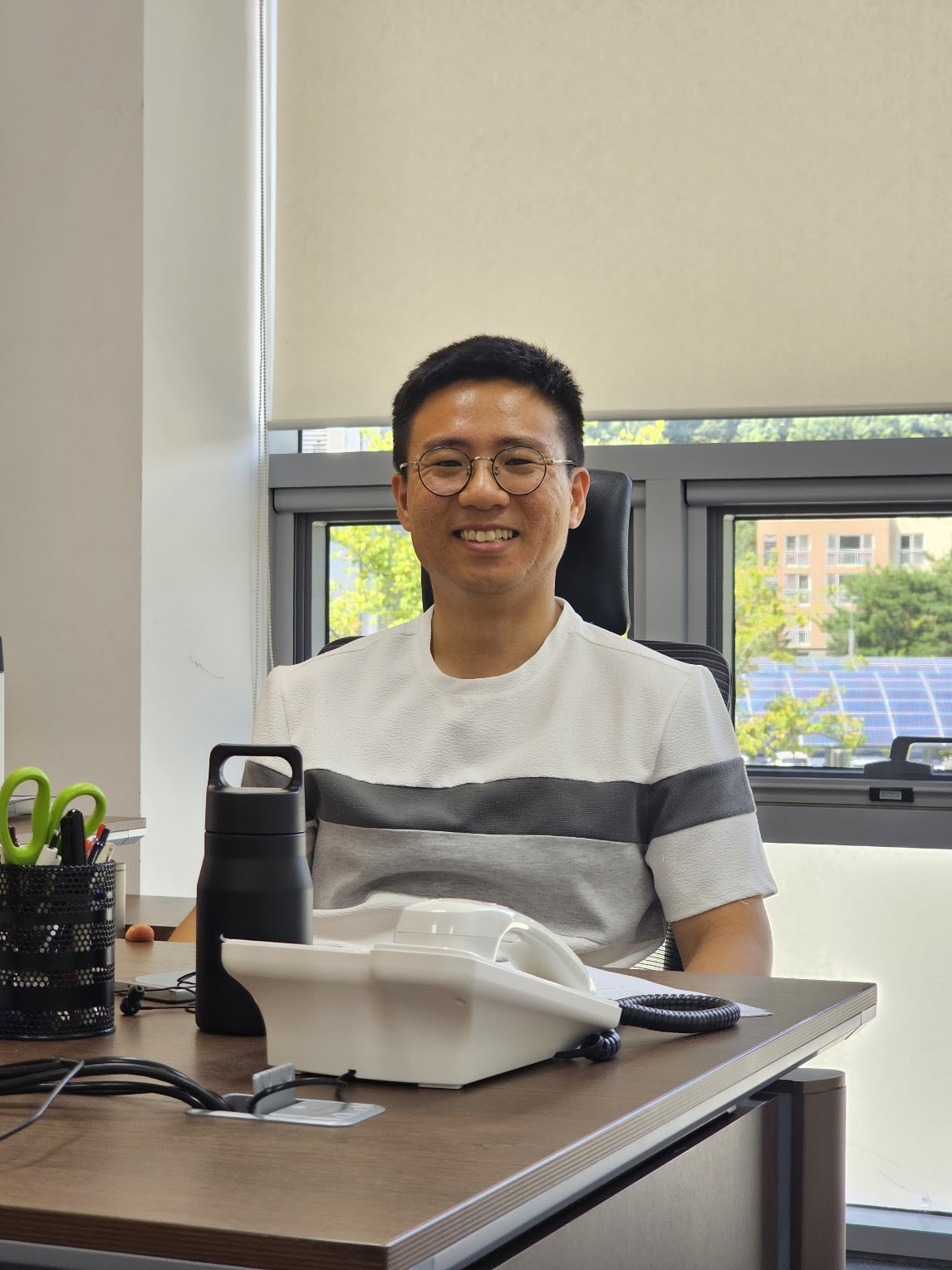
My advice is to keep an open mind, especially about subjects or professional fields that may not initially attract you. During my bachelor’s degree in the Netherlands, there were several outstanding professors working in health economics. At the time, however, I believed economics should primarily be concerned with the economy. I wondered what economists could contribute to questions about health when there were already so many medical doctors working in the field. Because of that assumption, I did not take any health economics courses or speak with those professors. It took me another five or six years to realise that health economics was the field that genuinely interested me. Had I been more open-minded and explored it earlier, I might have discovered that interest much sooner.
Students should remain open to unfamiliar courses, internships, career paths and even alternative academic majors. Experiences that appear unrelated at first often become connected later. Even when an experience does not lead directly to the career you eventually pursue, it can still broaden your perspective and help you better understand where your true interests lie.
OKEKE, Ugonna Victor
2025 Fall / MPP / Nigeria
victorokeke99@gmail.com
Related News
-
Story 2026-10-06
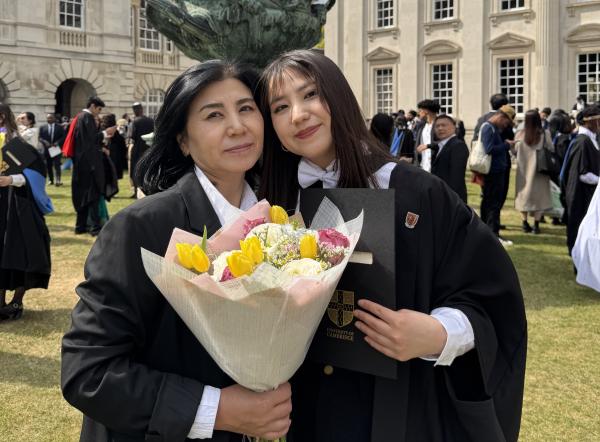
From KDIS to Cambridge and Tsinghua: The Journey of Nurzada Abdivalieva -
Research and Education 2026-10-02
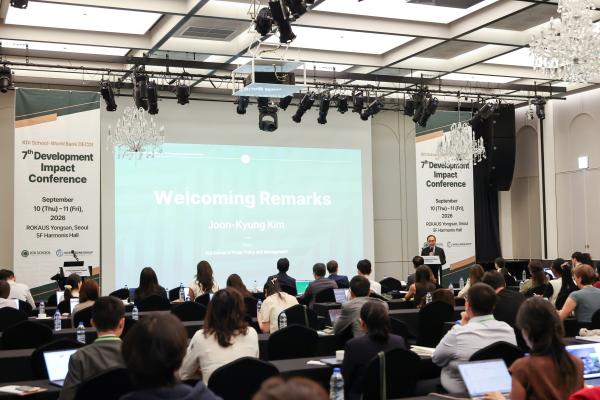
Beyond the Classroom: Exploring Development Impact Evaluation in Practice#KDISCHOOL #KDIS #conference #impact evaluation #development policy #policy
-
Story 2026-09-29
47 Hoegi-ro: From KDI’s Former Home to Korea’s Development Story