

NEWS

BACK TO LIST


KDI School Marks 2026 Completion Ceremony with Message of Lifelong Learning
- Date 2026-08-21 09:00
- CategoryNews
- Hit1271
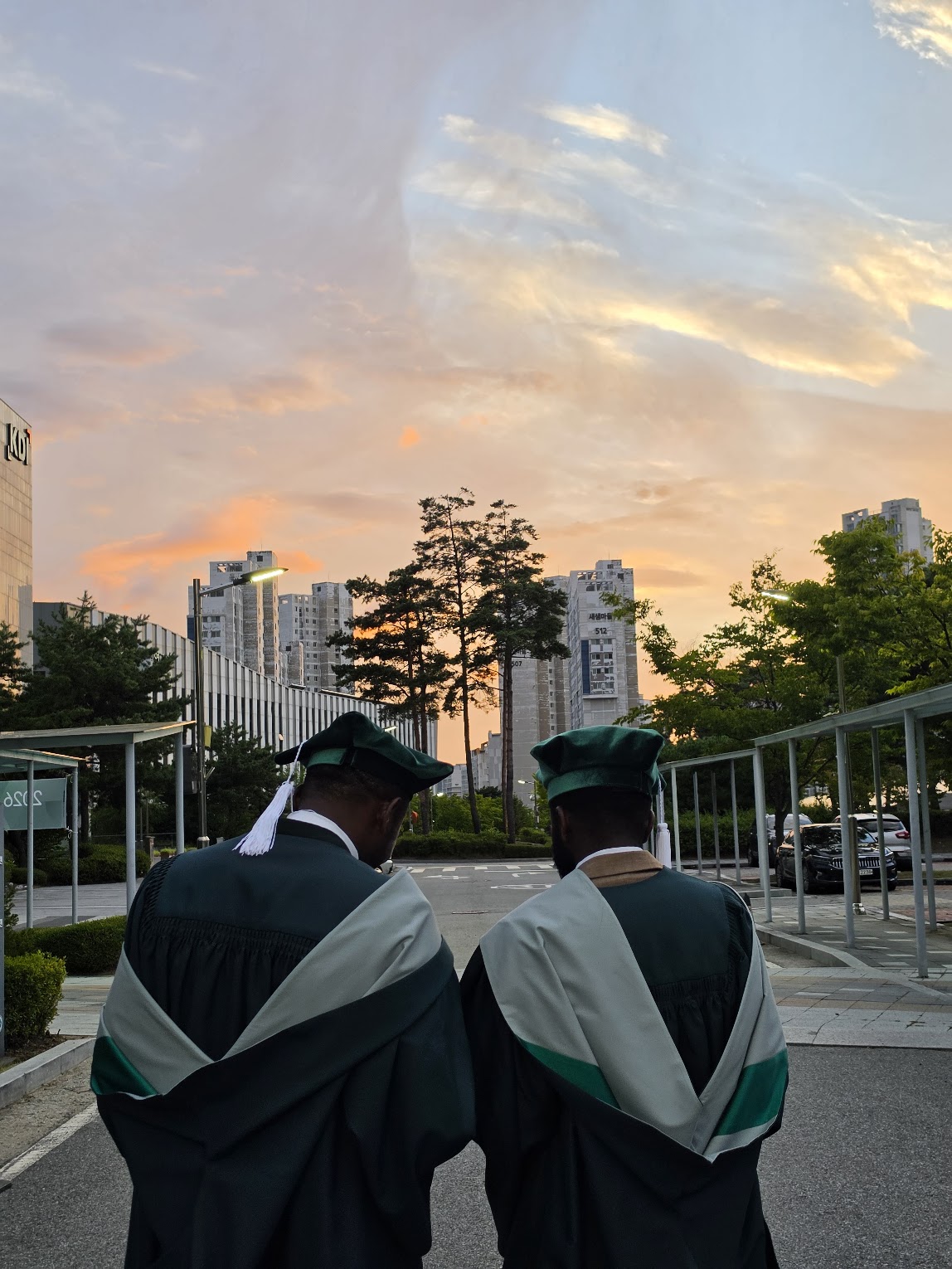
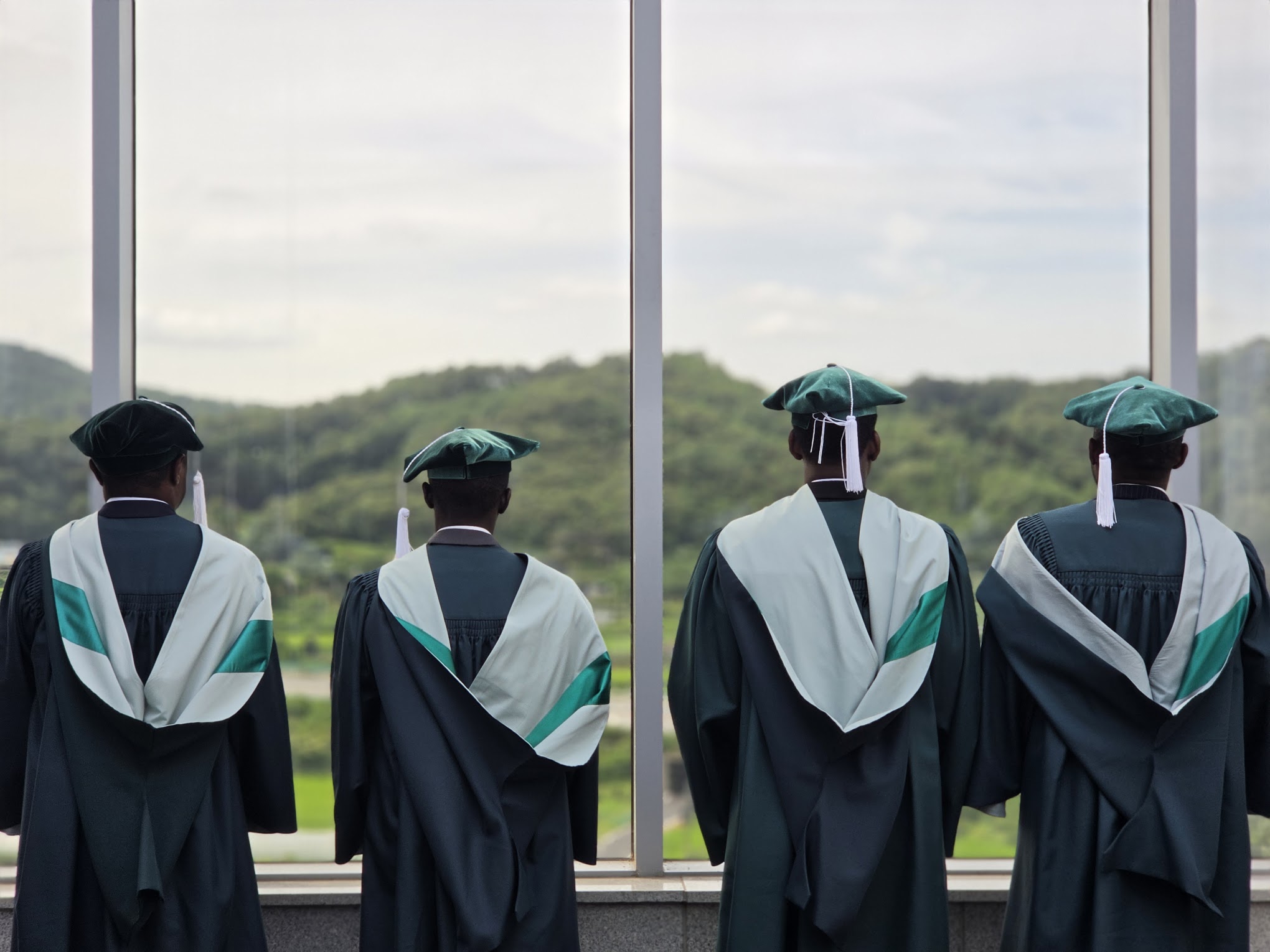
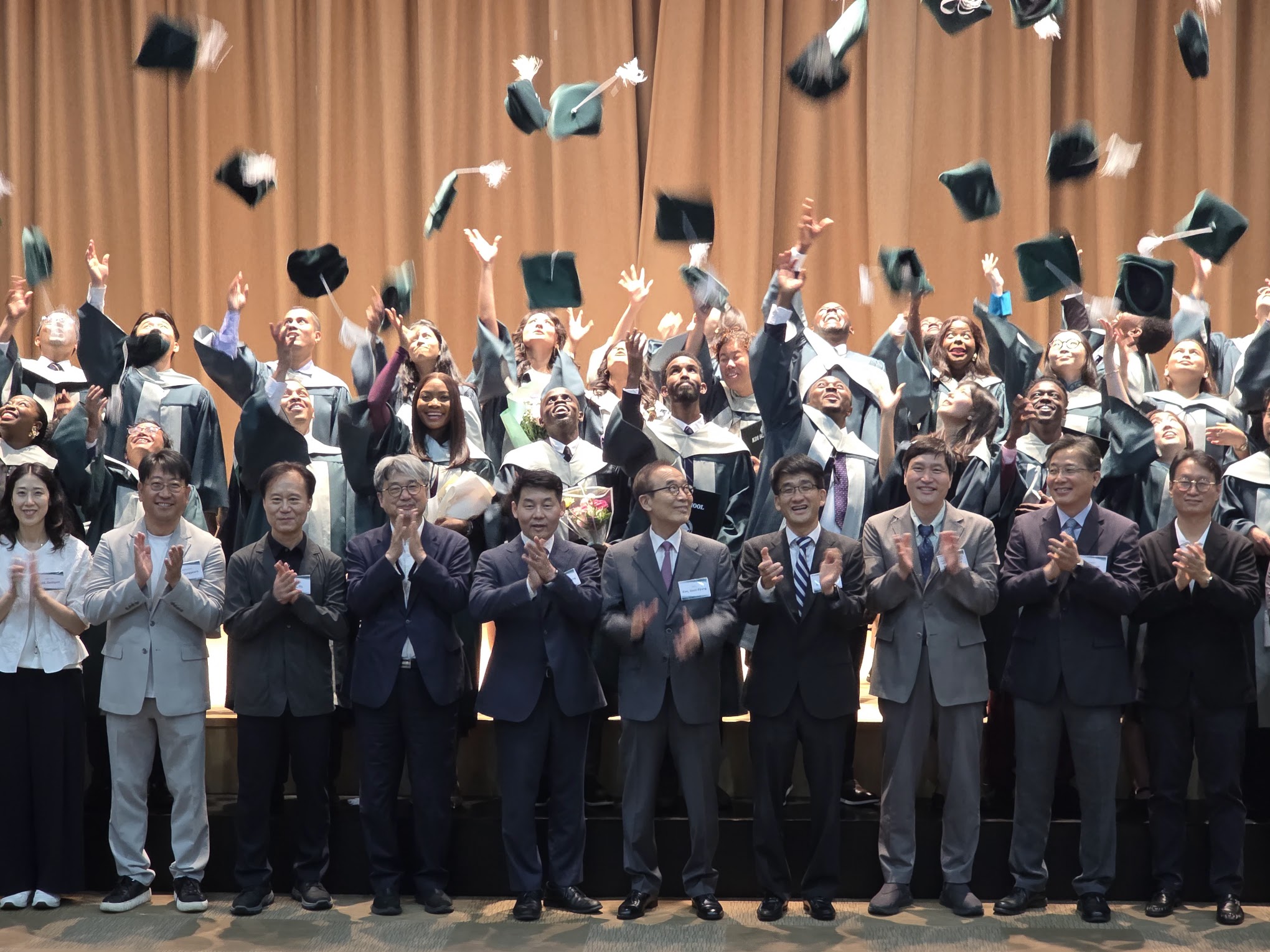
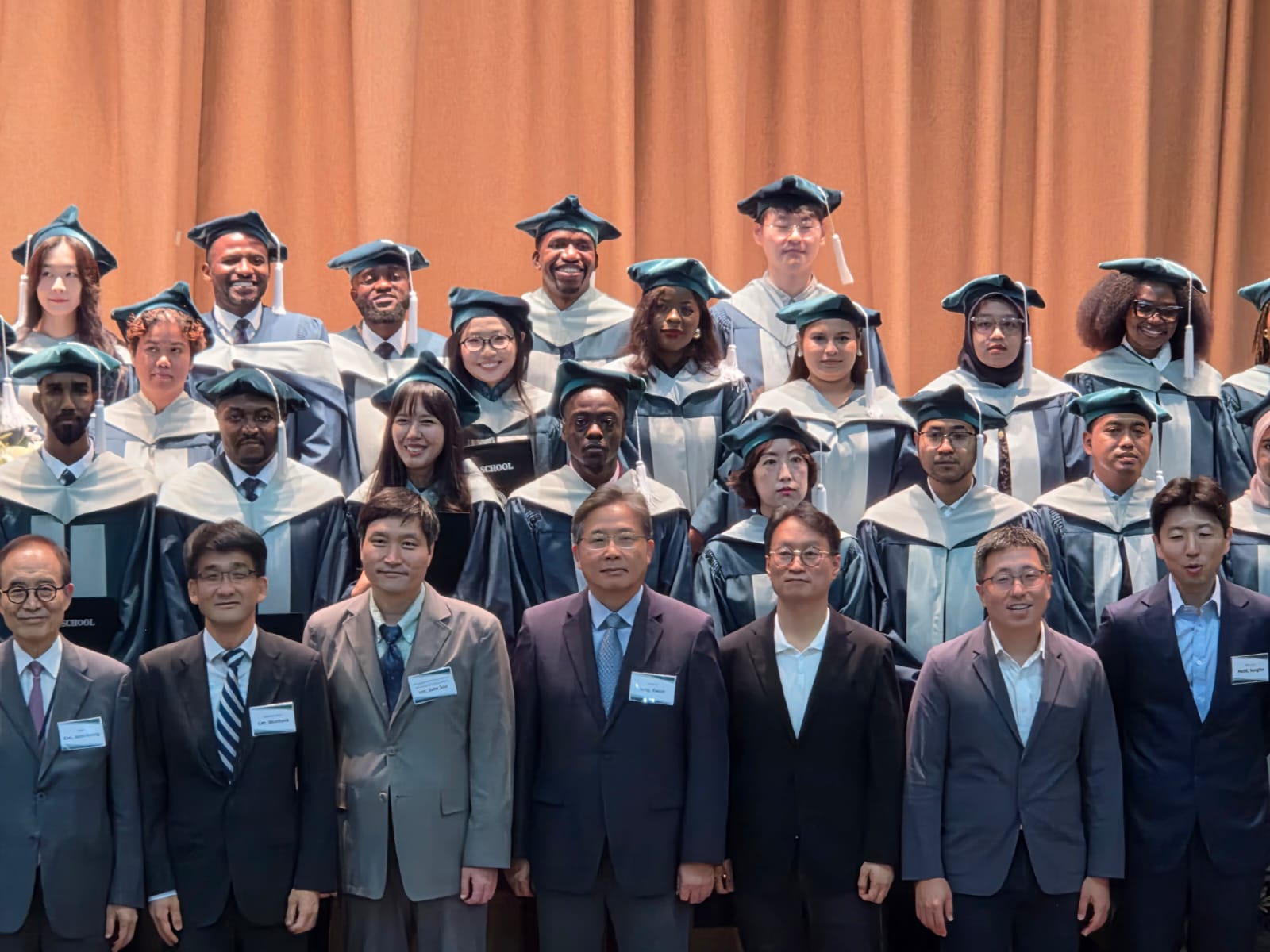
The 2026 Completion Ceremony at KDI School of Public Policy and Management brought together 86 master’s degree students to mark the completion of their coursework and celebrate their academic journeys at the School.
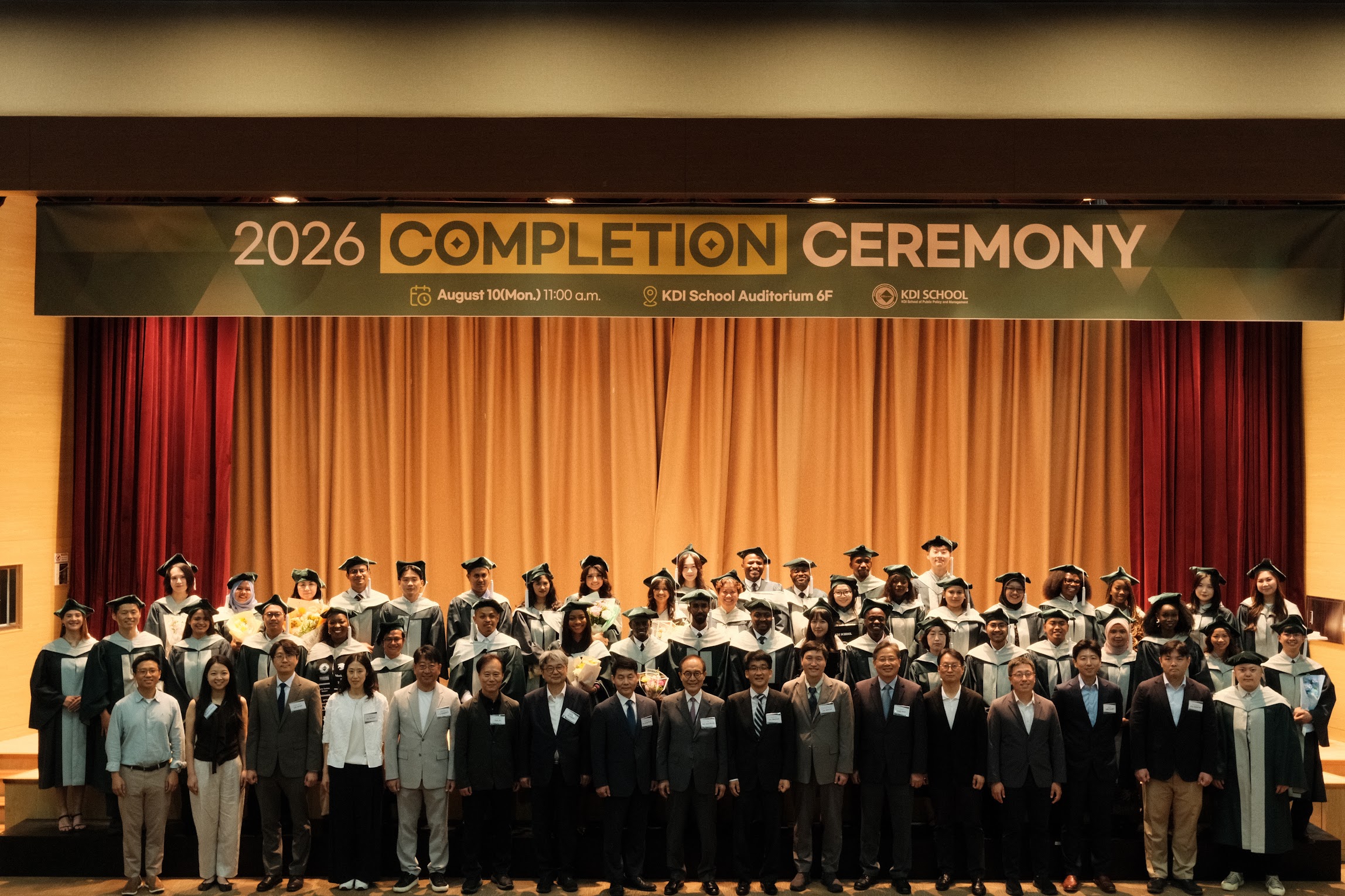
Held on August 10, 2026, at the KDI School Auditorium in Sejong City, the ceremony also featured the presentation of academic excellence and community service awards, including cash prizes, to outstanding students in recognition of their achievements and contributions to the KDI School community.

For many of the completing students, the ceremony was both an academic milestone and the culmination of an international experience shaped by KDI School’s diverse student community. In his address to the completing students, Dean Joon-Kyung Kim urged them to embrace lifelong learning and retain critical thinking, creativity, communication and collaboration as technological change and artificial intelligence continue to reshape policymaking, workplaces and societies around the world.
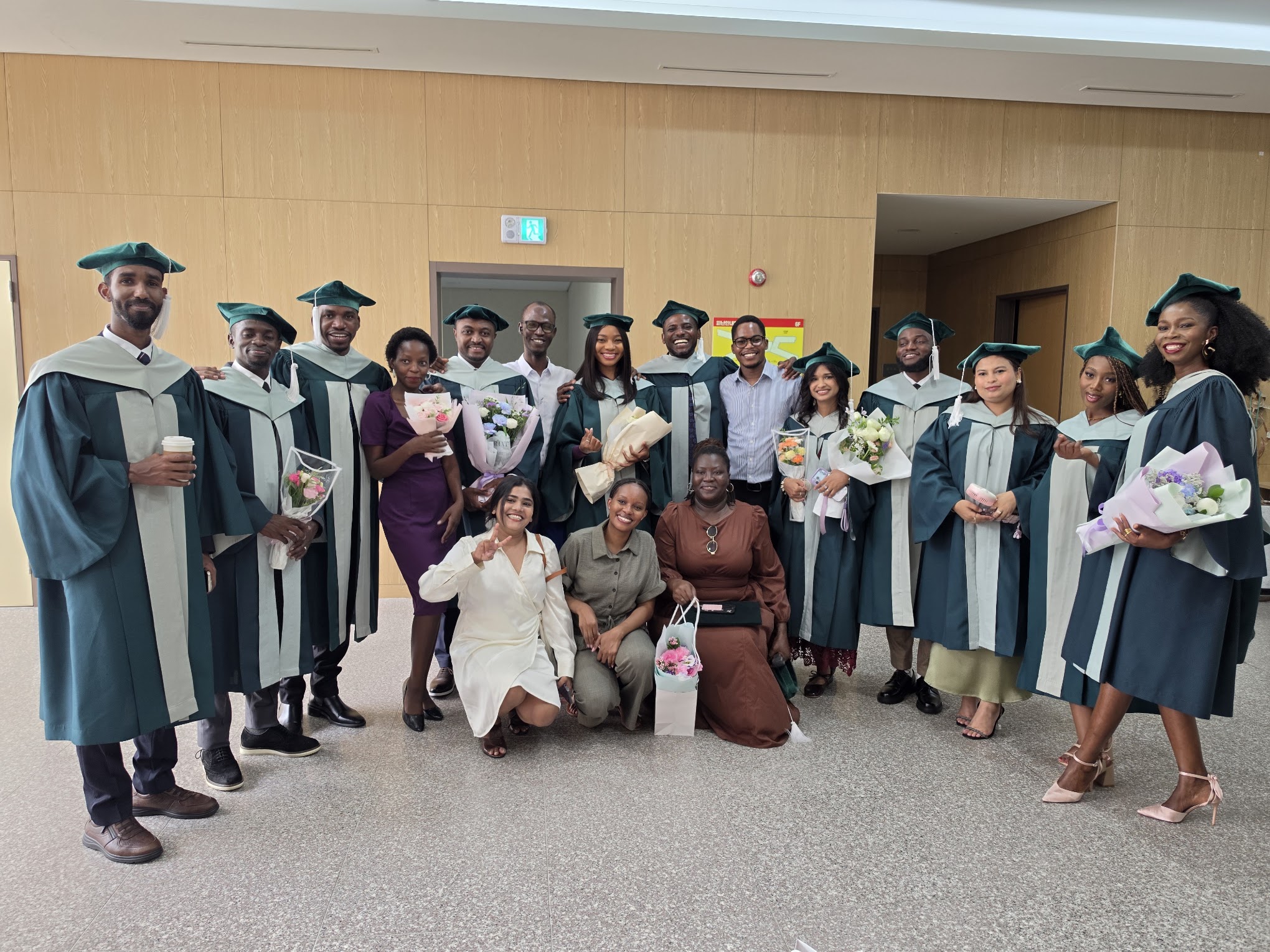
Professor Kim said their education at KDI School had prepared them to approach increasingly complex public challenges through rigorous analysis and evidence-based decision-making. He said that developing capable policymakers has become even more important as governments confront rapid technological, economic and social transformations.
Reflecting on the implications of the Fourth Industrial Revolution, Professor Kim said artificial intelligence is already changing how people acquire knowledge and perform professional tasks. He drew attention to the opportunities and risks associated with the technology, and said AI could strengthen human capital when used effectively, but excessive or uncritical dependence on such tools could weaken people’s capacity to develop and retain essential skills.
The Dean cited Alexander De Croo, former Prime Minister of Belgium and Administrator of the United Nations Development Programme, and said that “every industrial revolution brings along a learning evolution,” adding that AI has considerable potential to enhance human capital. He cautioned, however, that developments in machine learning and other areas of AI are changing both how and what people learn, making the manner in which the technology is used increasingly important.
“Whether AI tools ultimately enhance our skills or undermine our skills depends greatly on how we choose to use these tools,” Professor Kim said. Against this changing technological landscape, the Dean identified four capabilities that he said would remain indispensable in the 21st century: critical thinking, creativity, communication and collaboration. “Above all, I believe that the four skills, critical thinking, creativity, communication and collaboration, remain vital skills for us all. KDI School will continue to ensure that you and those who follow you strengthen and develop these core skills for the 21st century,” he said.
Dean Kim also placed lifelong learning at the heart of the institution’s message to the completing students, noting that knowledge acquired through formal education cannot remain static in a world experiencing continuous technological and policy transformation. To illustrate the point, he invoked the Korean proverb, “고인 물은 썩는다” (goin mureun sseongneunda), literally meaning “stagnant water goes bad,” as a reminder of the importance of continuously learning, innovating and engaging with the world.
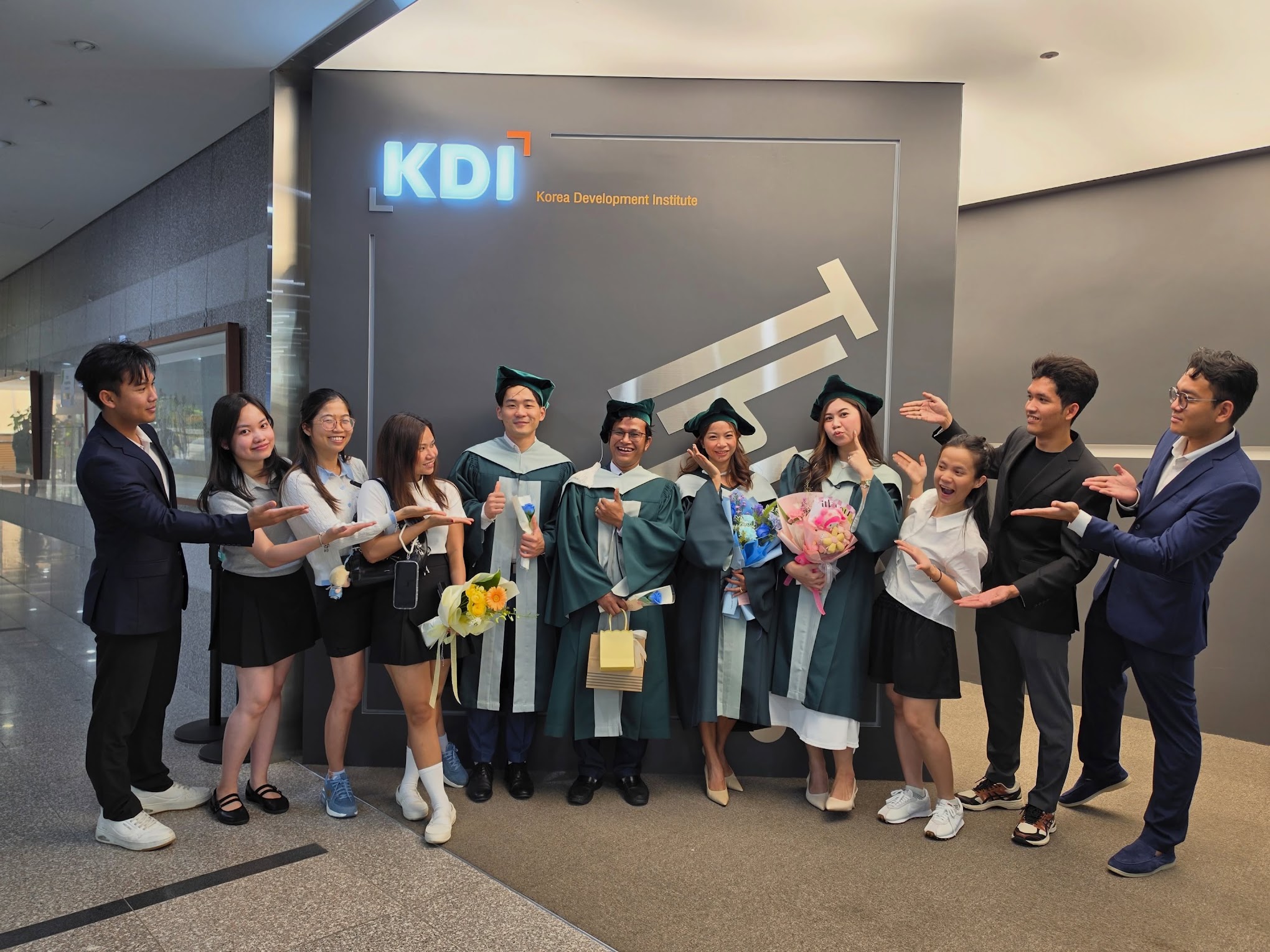
He encouraged the students to regard completion of their studies as the beginning of another stage of intellectual and professional development rather than the end of their education. He also urged them to remain connected with the institution and its international community as they return to governments, international organisations, development institutions and other sectors around the world.
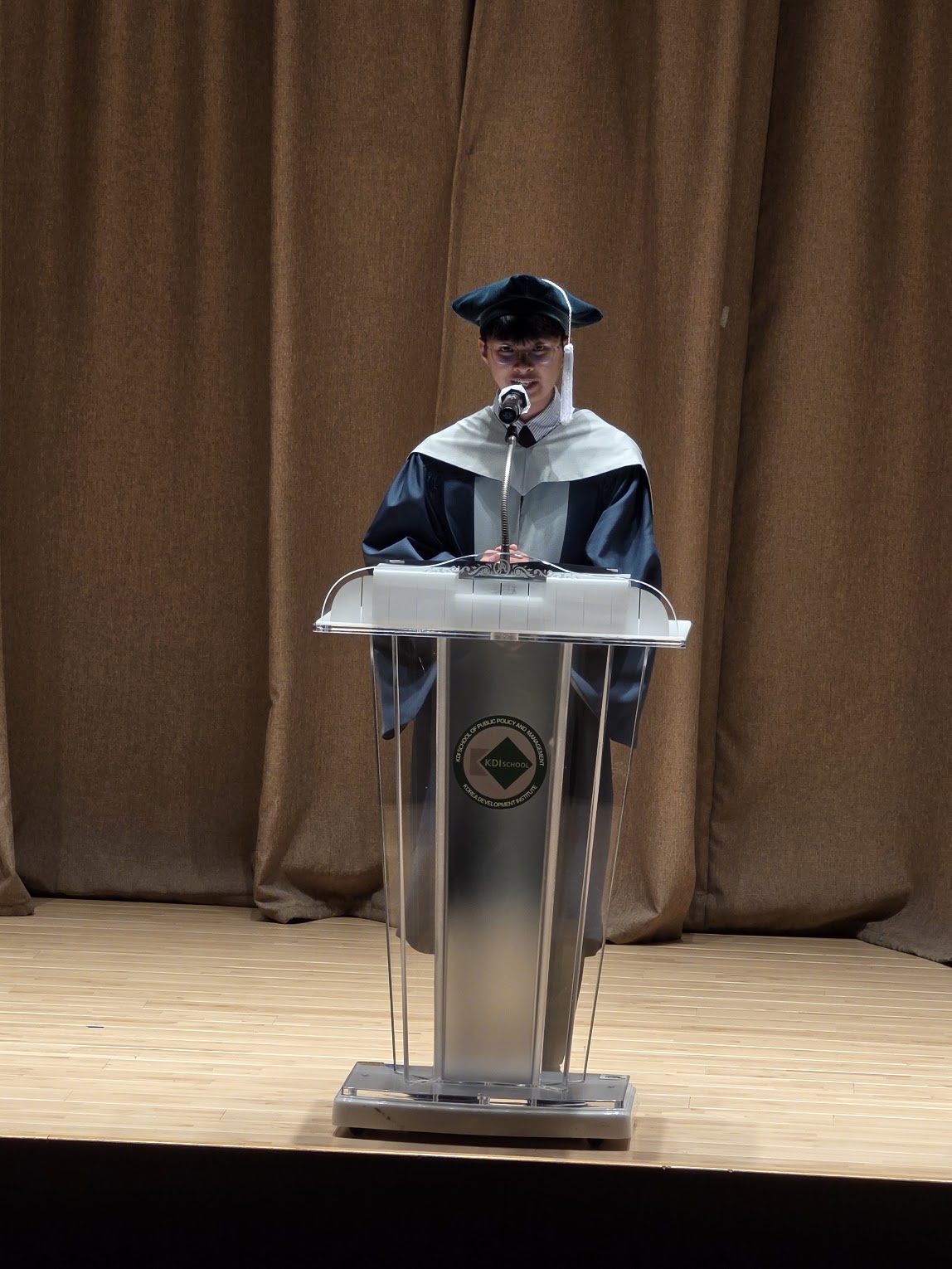
In the convocation address delivered by Le Van Khoa, a 2025 Fall Master of Development Policy student from Vietnam, he described knowledge and the courage to dream as forces that had shaped his development. He said the School’s demanding academic environment required students to acquire unfamiliar concepts and analytical tools quickly, but argued that such investments in knowledge would ultimately generate benefits for both graduates and the societies they serve.
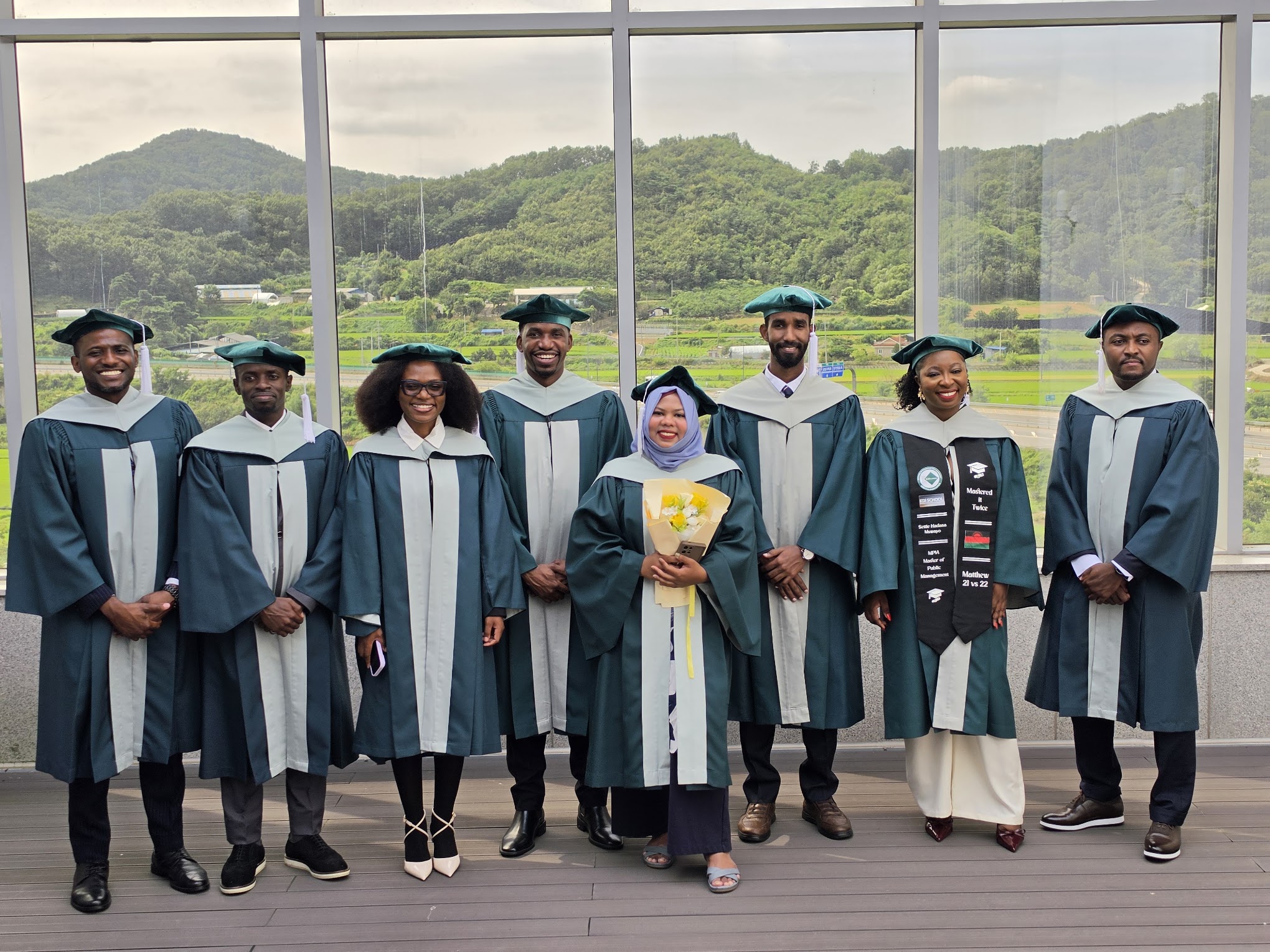
Khoa also paid tribute to KDI School’s professors and staff for creating what he described as an inclusive environment in which students could learn, grow and transform. Using the metaphor of flying a kite, he encouraged his classmates to embrace change while remaining connected to the values, experiences and people that shaped their journeys. “Our dreams will carry us forward, but our values, our experiences, and the people who have supported us will always keep us grounded,” he said.
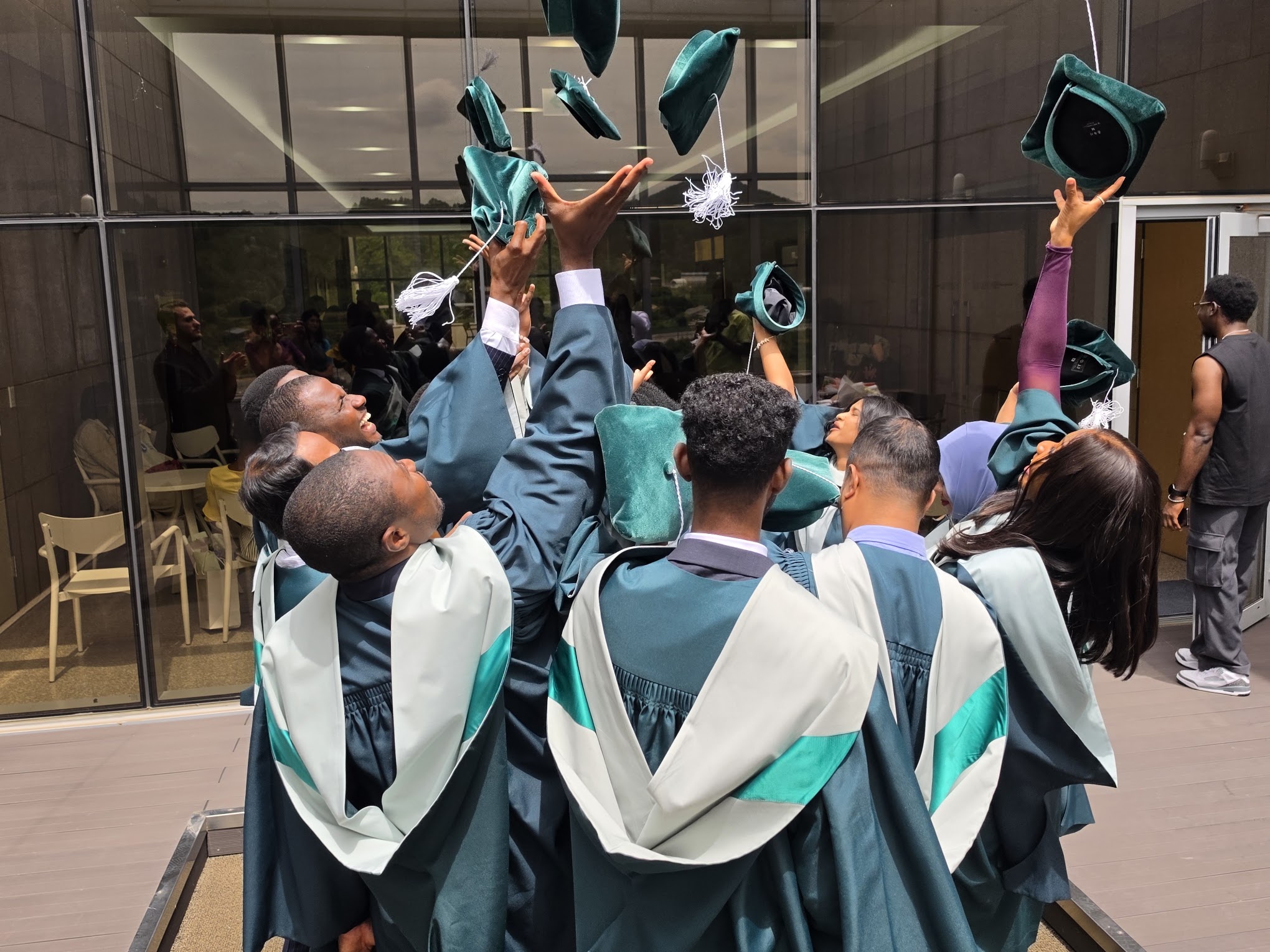
Okunrinboye Mayowa, a Nigerian student in the 2025 Master of Development Policy programme, described her time at the School as transformative, saying the experience extended far beyond classroom learning. “My time at KDI School has been truly transformative. Beyond the academic experience, being part of such a diverse international community gave me the confidence to step outside my comfort zone and become a more open and engaged version of myself,” Mayowa said. “I leave especially grateful for the friendships, perspectives, and opportunities to learn from people from all over the world.”
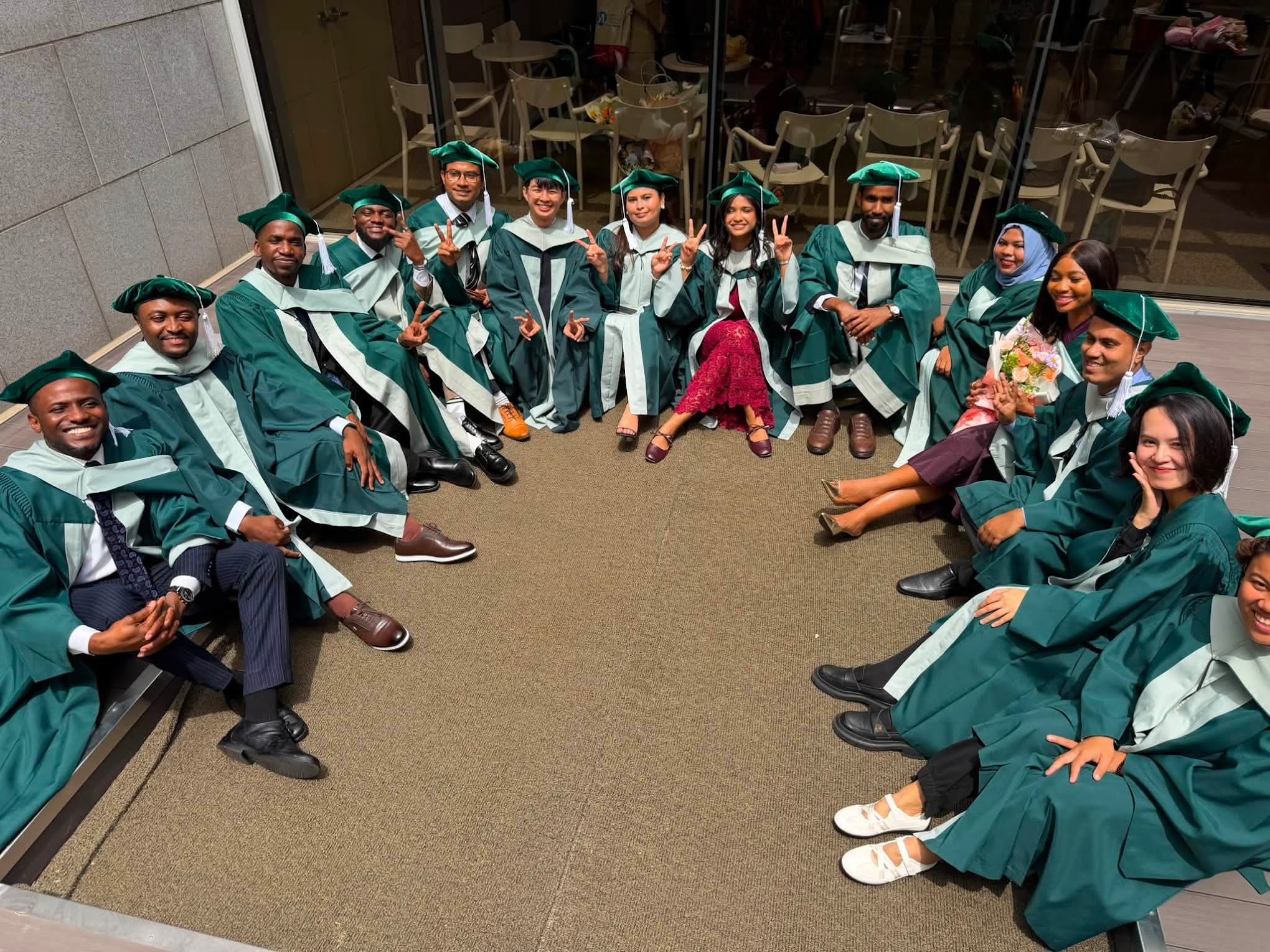
Lanang Permata, an Indonesian student in the 2025 Master of Public Policy programme, said the academic experience had strengthened his understanding of public policy and would directly support his professional responsibilities at Indonesia’s Ministry of Transportation. “The completion ceremony was a meaningful moment to celebrate this journey and the valuable experiences I will bring back to contribute to public service in Indonesia,” he said.
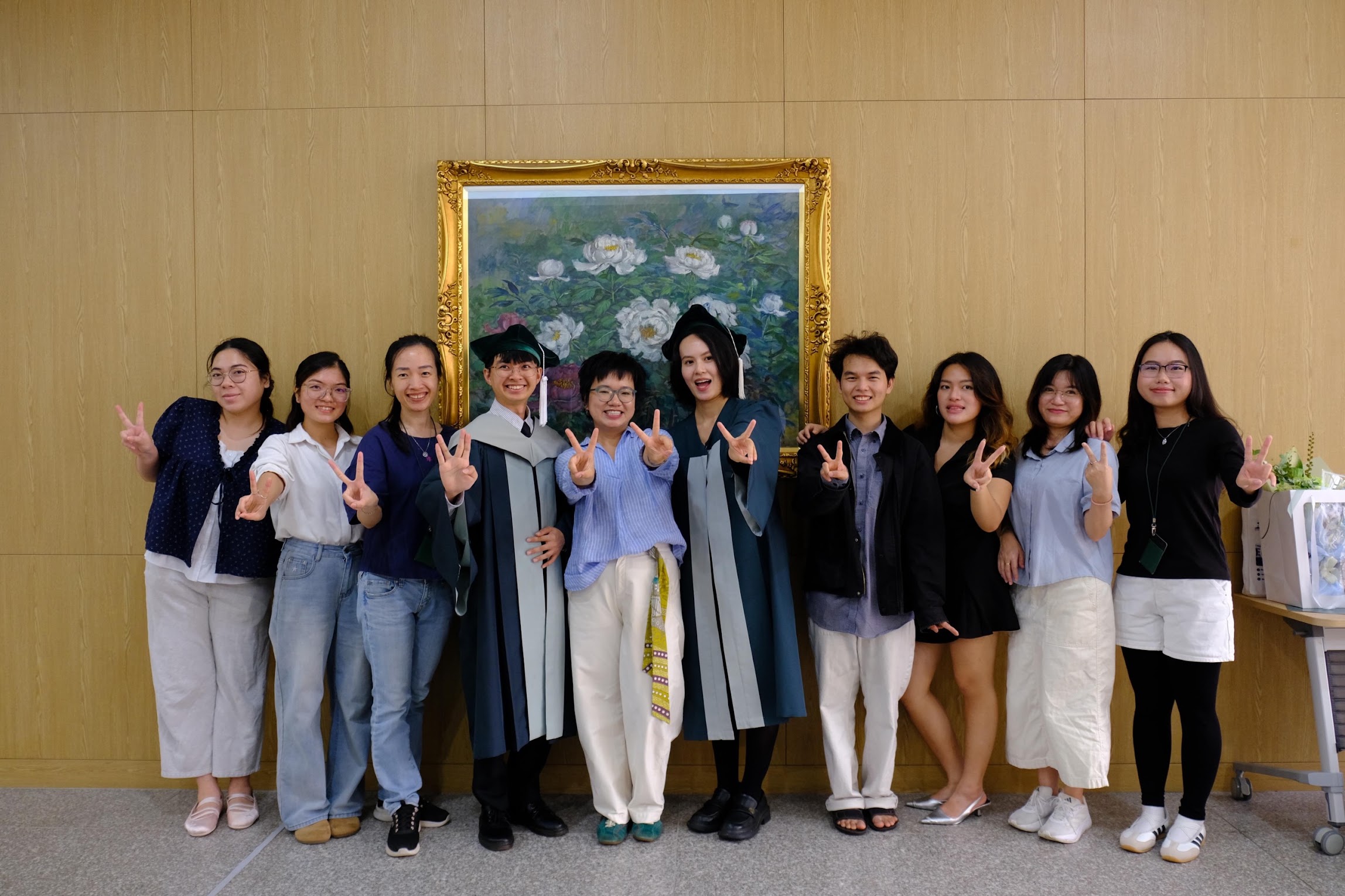
For Esmeralda Lismet Taveras Fernandez of the Dominican Republic, a 2025 Master of Public Policy student, the experience demonstrated how personal and institutional capacity can be built through challenge, persistence and exposure to different perspectives. She recalled arriving in Sejong from a small Caribbean country and initially questioning whether she could meet the demands of the programme, particularly its quantitative components. “Every hard subject taught me that capability is not something you arrive with; it is something you build, and that a country’s development works the same way,” Fernandez said.
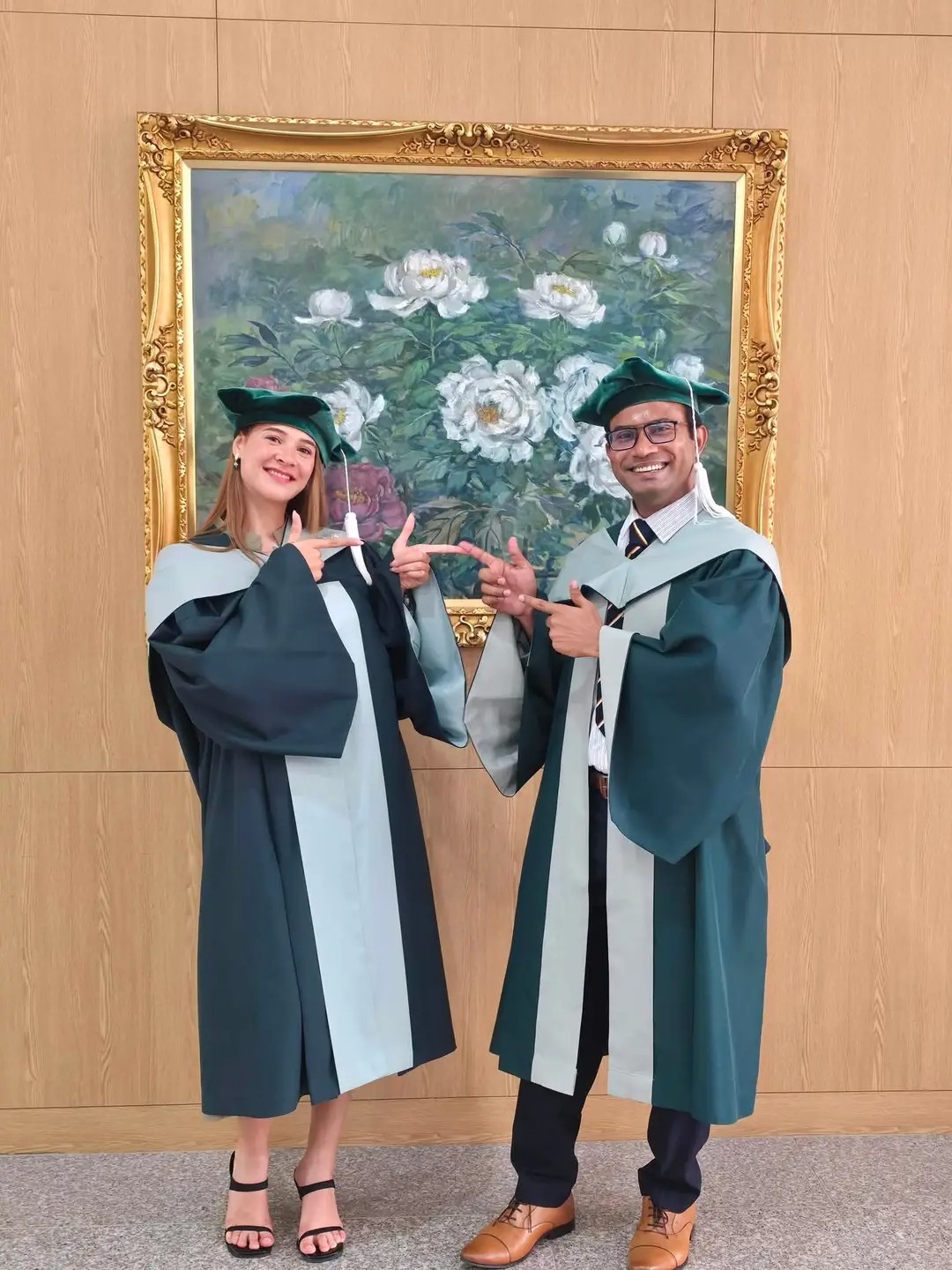
Mohamed Abdirasak Ahmed of Somalia, a 2025 Master of Public Policy student, similarly described joining KDI School in Fall 2025 as the beginning of an intensely transformative period, saying the programme combined public policy education with exposure to experienced government officials, international practitioners and young professionals from different parts of the world. Ahmed said interactions within such a diverse community broadened his understanding of how public policy affects people’s lives, while KDI School’s academic environment and faculty provided students with the institutional support required to develop their analytical capabilities. “The theoretical foundations and practical toolkits I gained at KDIS are invaluable, but the genuine human connections and shared ambition in that room are what will stick with me forever,” he said.
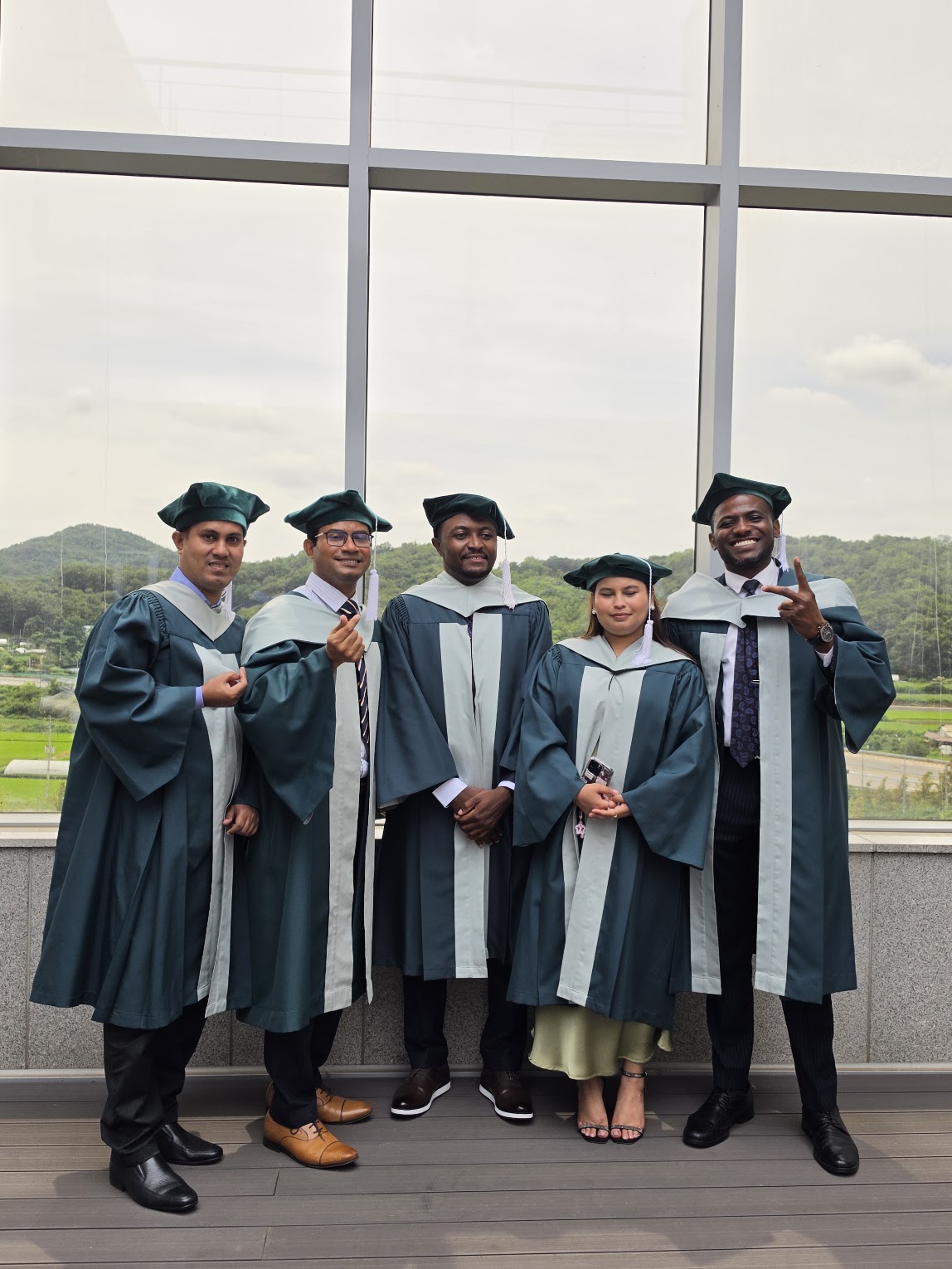
Indeed, the 2026 Completion Ceremony ultimately reflected KDI School’s broader institutional mission of developing policy professionals equipped to connect rigorous academic knowledge with practical public-sector challenges.
OKEKE, Ugonna Victor
2025 Fall / MPP / Nigeria
victorokeke99@gmail.com
Related News
-
Story 2026-10-15
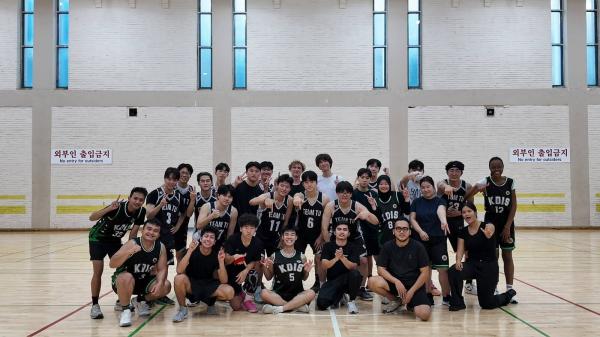
Beyond the Syllabus: Lessons Outside the Classroom#KDISCHOOL #KDIS #student #student club #basketball #cycling
-
Story 2026-10-14
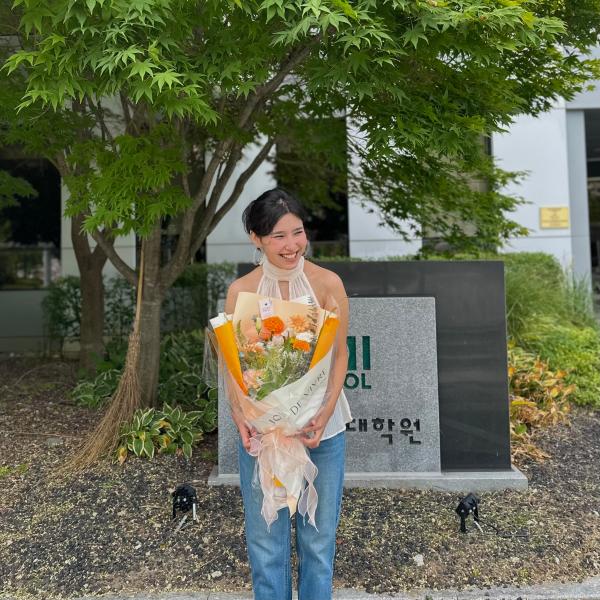
A Scholar in the Making: Farangiz’s Story of Ambition, Discipline and Purpose -
Research and Education 2026-10-13
Republic of Korea Economic Bulletin, October 2026#KDI #Economic #KDISCHOOL #kdischool #Economic Bulletin #Research