

NEWS

BACK TO LIST


47 Hoegi-ro: From KDI’s Former Home to Korea’s Development Story
- Date 2026-09-29 09:56
- CategoryStory
- Hit365
Before it became a place for telling Korea’s development story, the building at 47 Hoegi-ro was helping to shape it.
Built in 1972 with international assistance, the building originally served as the headquarters of the Korea Development Institute (KDI). For more than four decades, KDI conducted policy research there as Korea underwent a remarkable period of economic and social transformation. Today, the former KDI site has taken on a different role as the Global Knowledge Exchange and Development Centre (GKEDC), a space dedicated to examining Korea’s development experience and sharing its lessons with visitors from around the world.
On September 18, KDI School students returned to that history, this time as visitors.
The field trip from Sejong to Seoul offered students an opportunity to move beyond the graphs, readings and classroom discussions through which Korea’s development is often studied. Through exhibitions covering economic reconstruction, industrialization and technological innovation, the development story became something students could physically walk through.
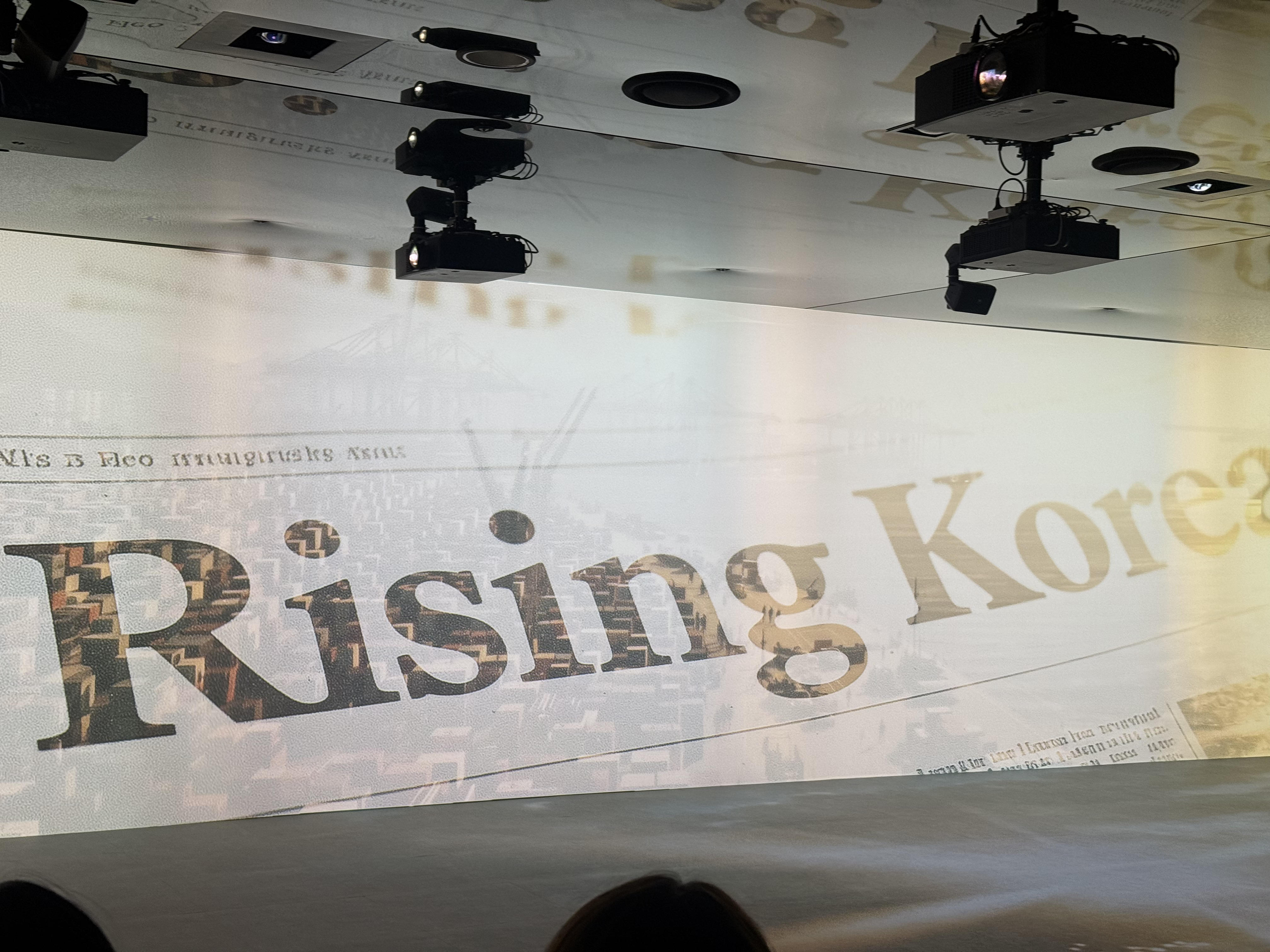
The journey began with Korea's economic history. The Economic Development Hall traces the country’s experience from the difficult years following liberation and the Korean War through the industrialization, economic crises ,and the challenges Korea continues to face today.
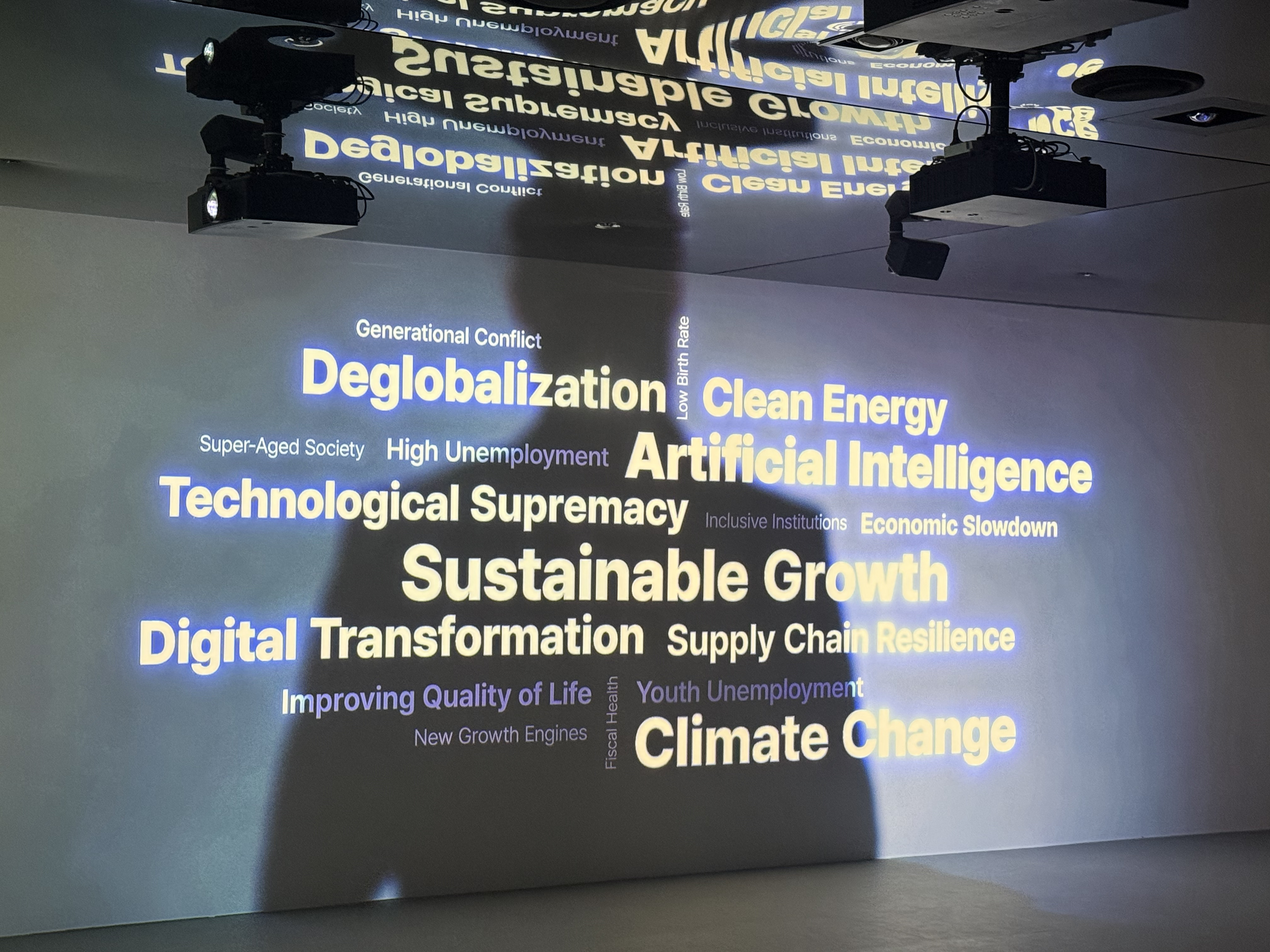
What makes the exhibition particularly interesting is that the story does not end once Korea becomes a high-income economy. Contemporary challenges including slower growth, employment concerns and demographic change remain part of the story.
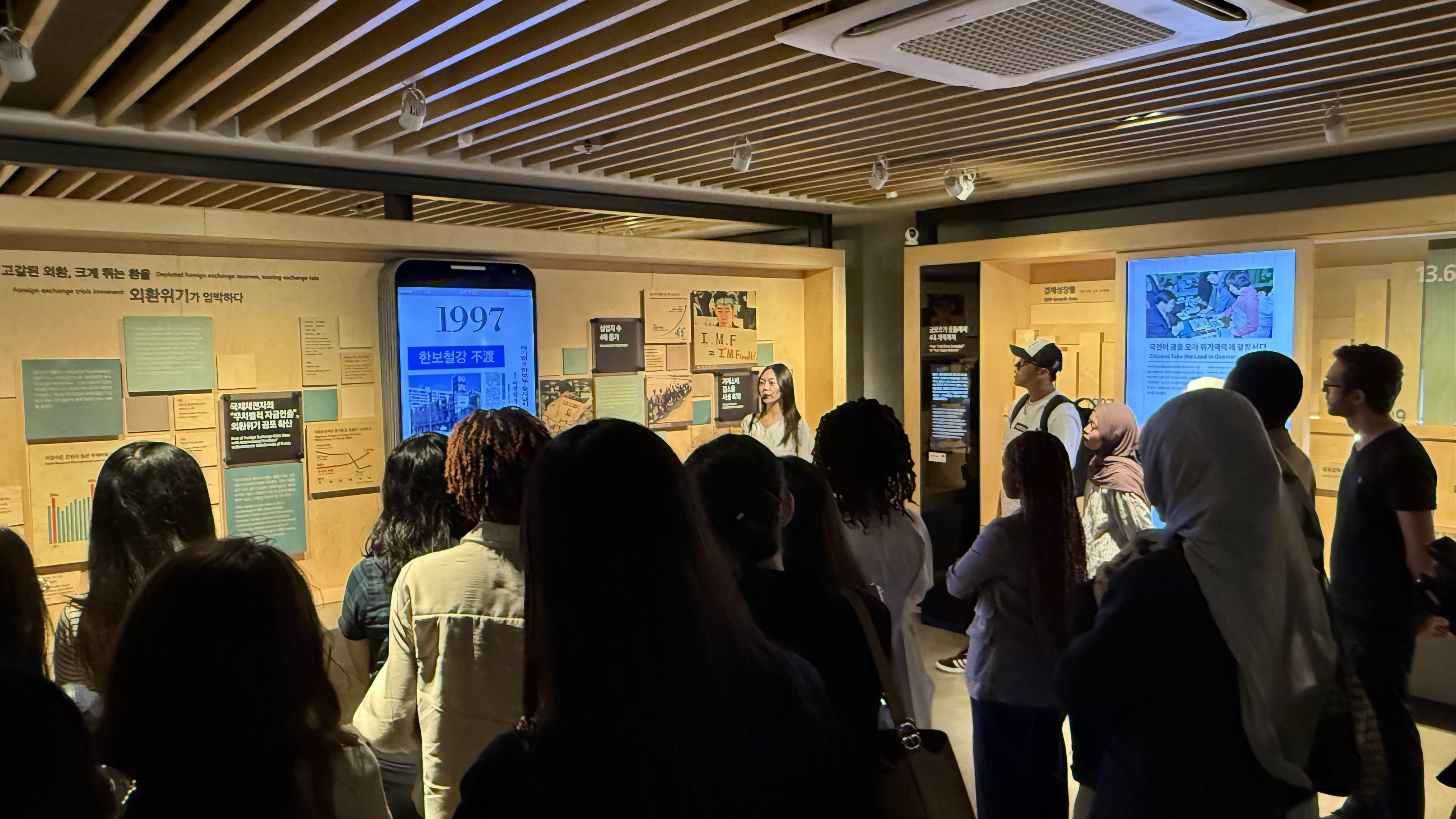
For students studying development, this adds an important layer to a familiar case. Importantly, Korean development is not presented in the exhibition as a straight line with a clear finish. The problems facing a country change as the country itself changes.
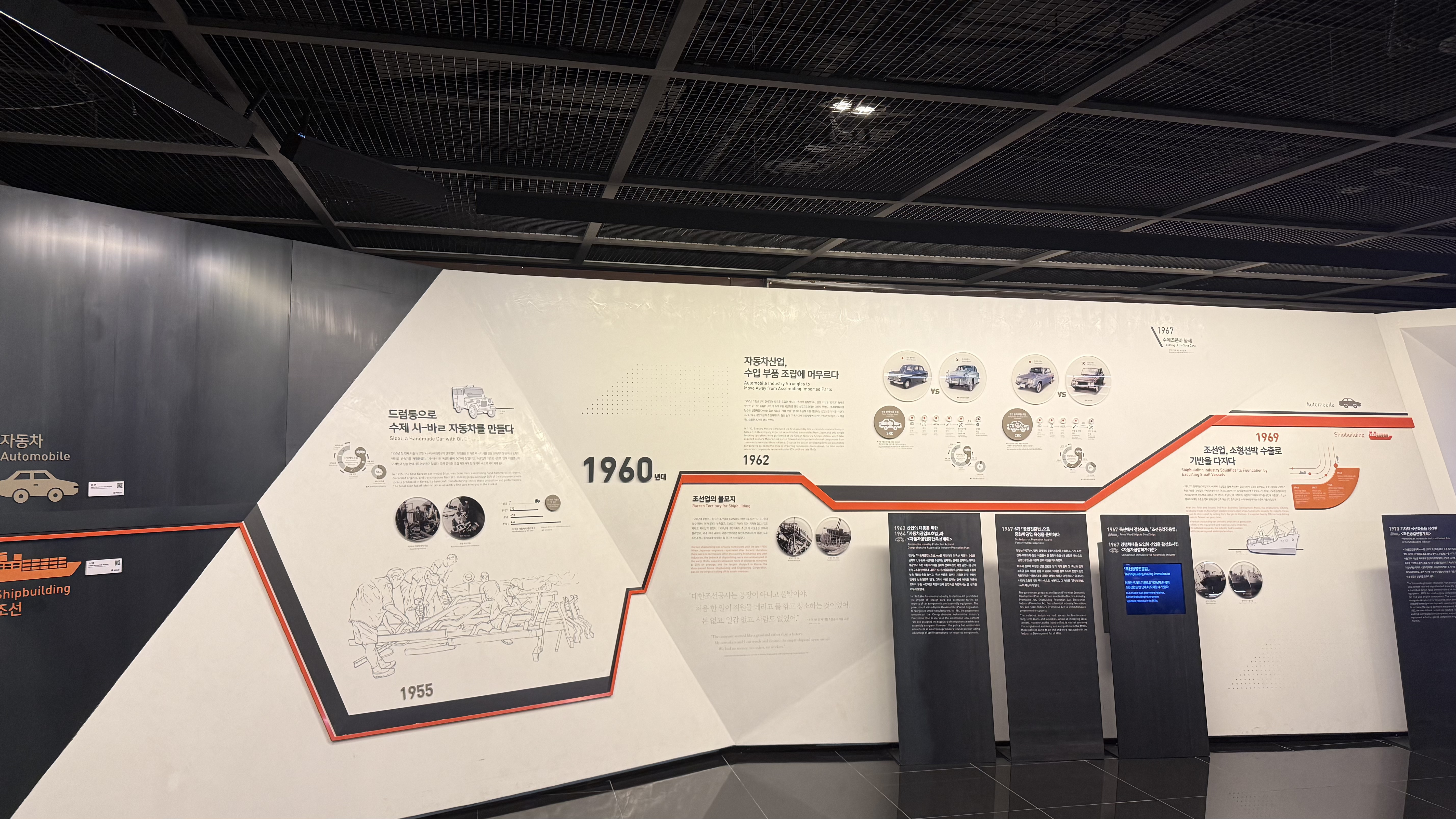
Moving into the Industrial Development Hall that transformation was made more tangible. The exhibitions trace Korea’s progression from light industries such as textiles, wigs and footwear to heavyand chemical industries, automobiles, shipbuilding, electronics and eventually globally competitive high-technology industries.
Rather than encountering industrialization only as a policy concept, students could see objects and technologies representing different stages of that transition.
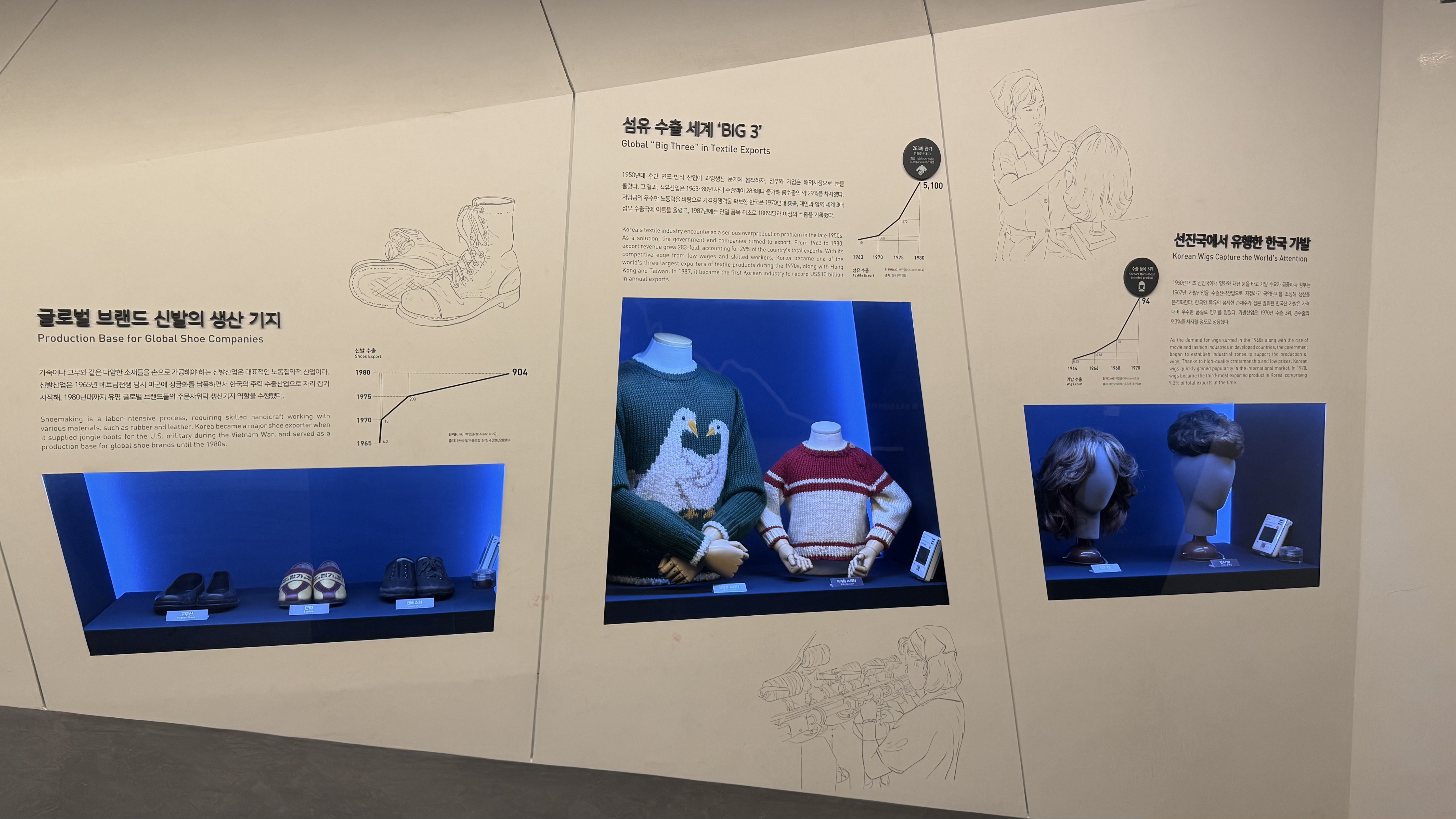
A few rooms later, the story shifts again.
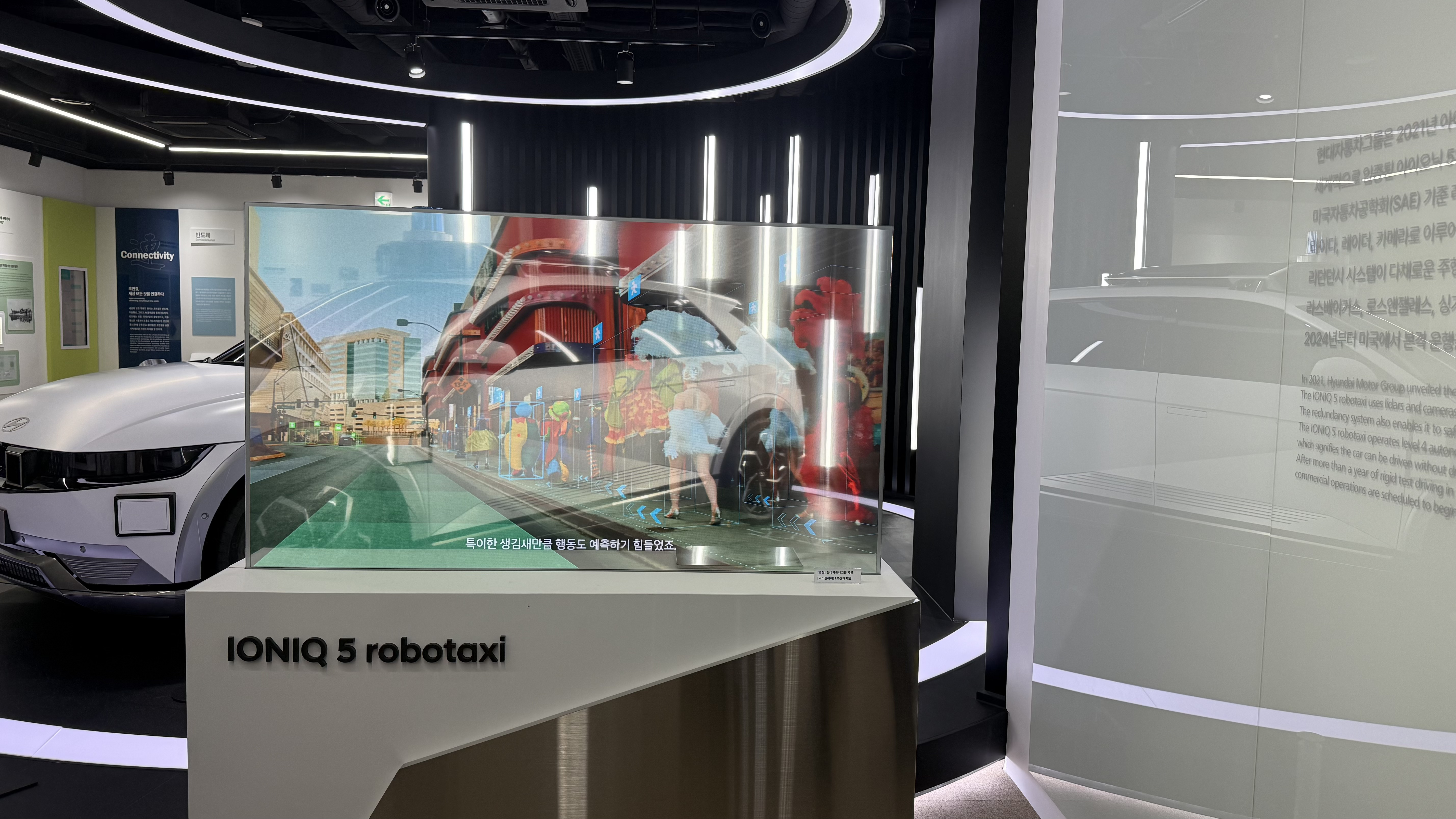
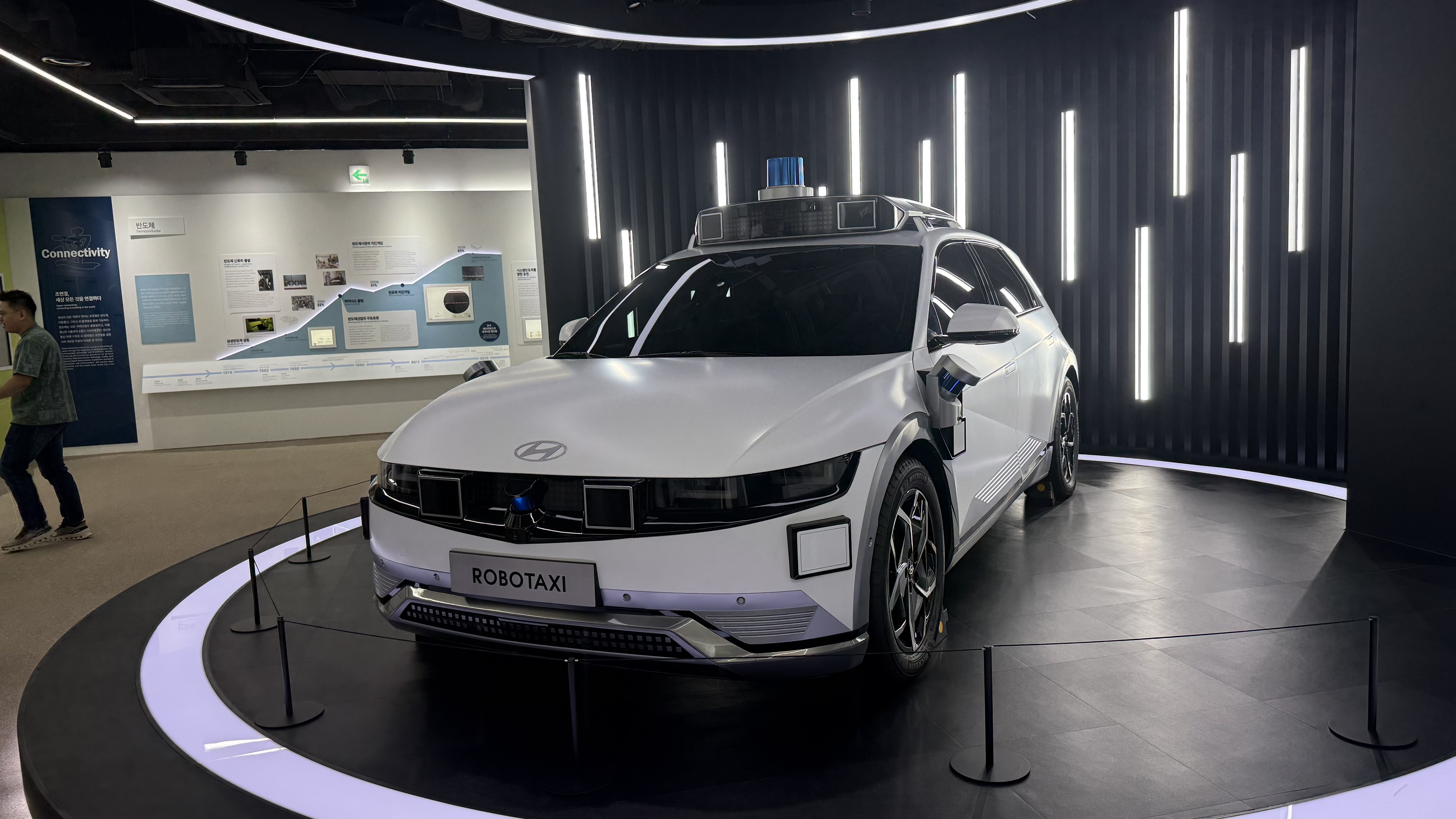
The Future Innovation Hall looks toward industries that are still changing, including future mobility, artificial intelligence, robotics and next-generation electronic technologies. Displays exploring autonomous vehicles and other emerging technologies offered a striking contrast with the earlier exhibits showing the foundations of Korea’s industrial development.
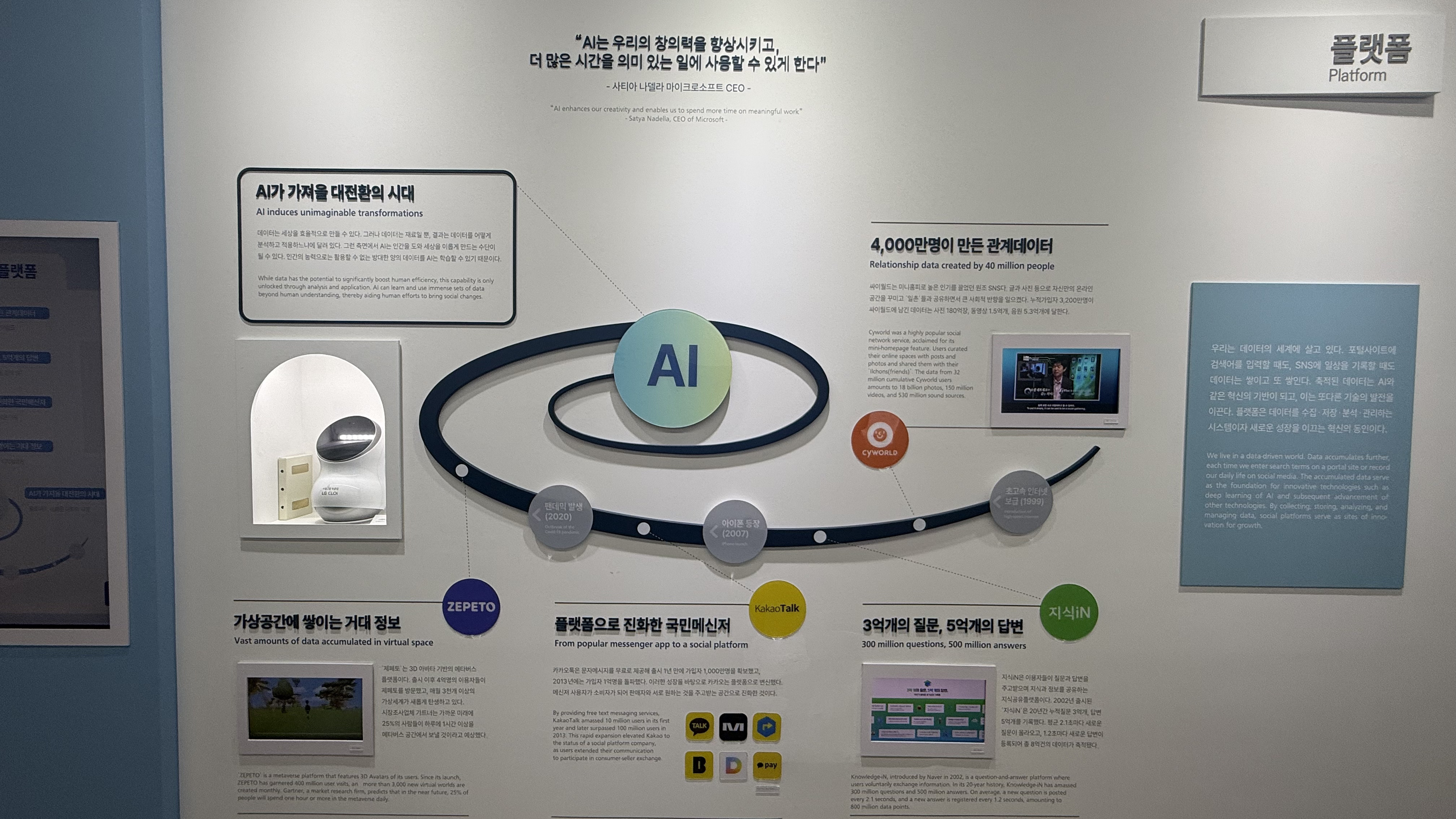
The Entertainment Zone also traced the global rise of Korea's cultural industries, including K-dramas, films, K-pop and gaming, showing how cultural content itself has become an internationally competitive industry and another dimension of Korea's economic transformation.
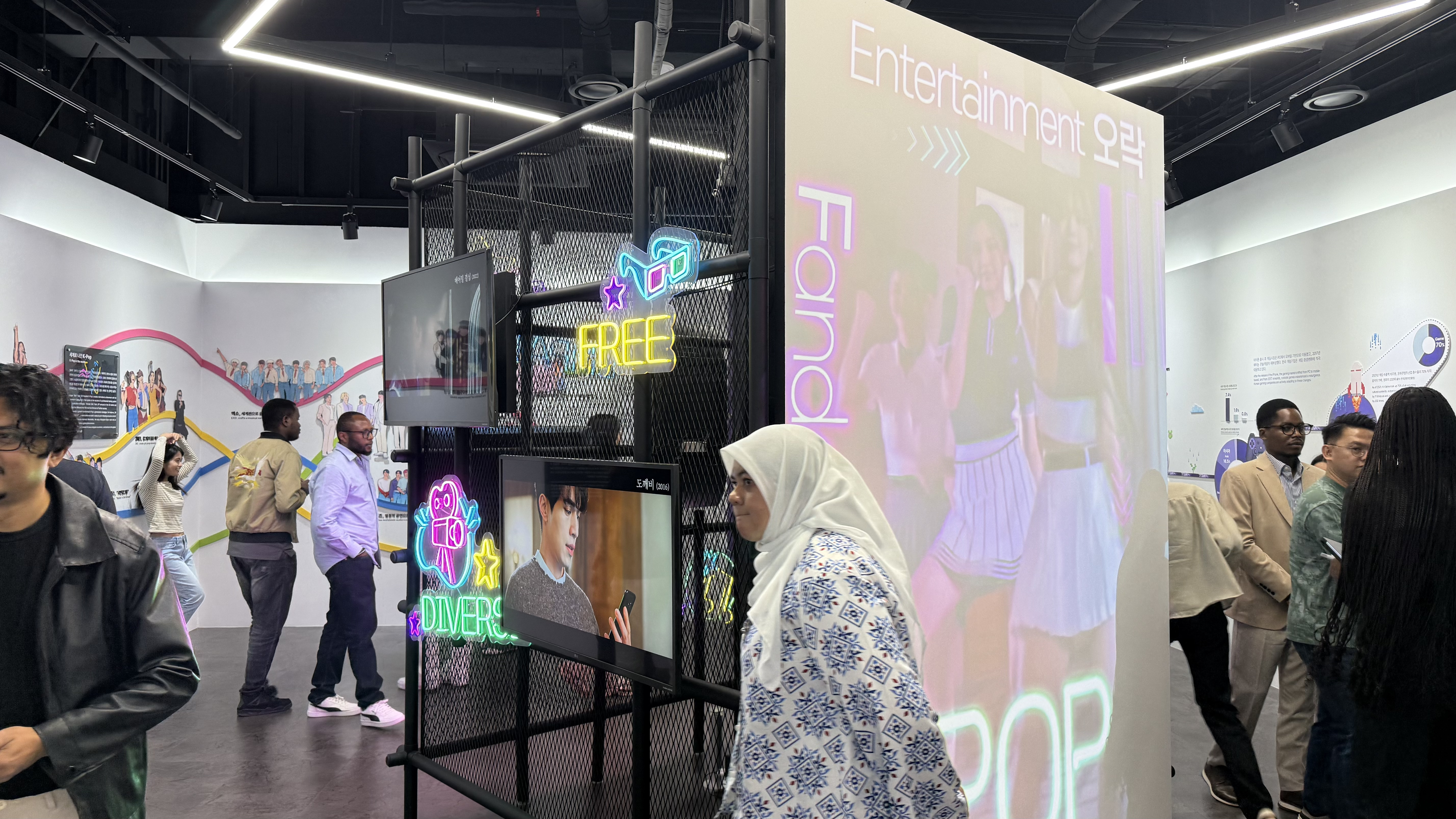
Walking from one hall to another made the scale of that transition particularly visible. The technologies may have changed, but the underlying question remained remarkably similar: how does an economy continue adapting when the world around it changes?
The exhibitions were followed by a lecture on the driving forces behind Korea's economic development. Students were then asked to turn the discussion toward somewhere much more familiar - their own countries.
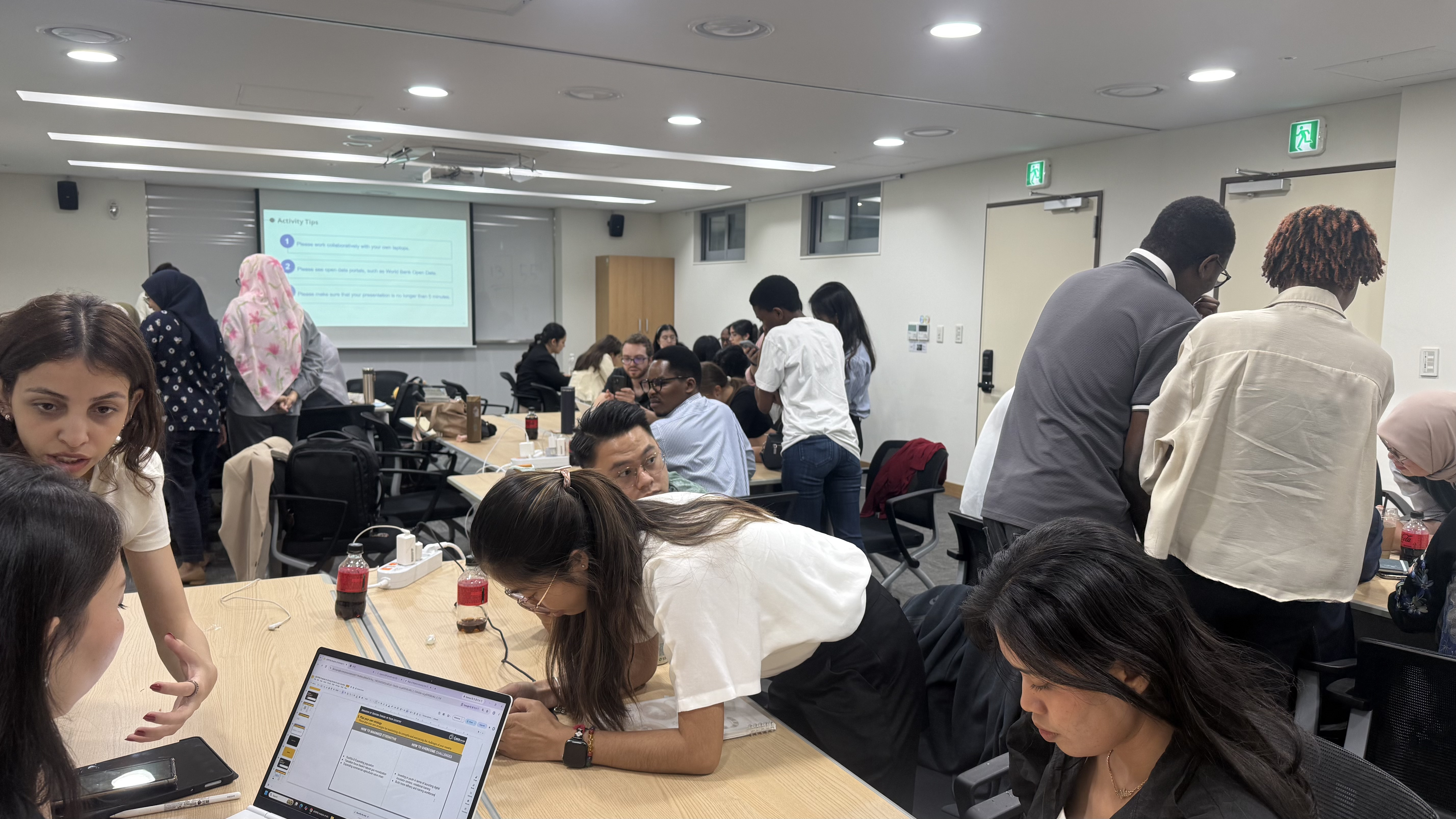
In groups, students considered the factors that have shaped development at home and presented their observations to one another.
For Altjin, a student from Mongolia, the experience raised questions about how lessons from Korea might have applied under very different national circumstances. Rather than simply asking how Mongolia could reproduce Korea’s experience, she found herself thinking about which lessons could be adapted and built upon in ways that reflect Mongolia’s own conditions and development needs.
A visit to GKEDC can easily inspire the question, “How did Korea do it?” But for international students representing countries with different histories, institutions, populations, resources and geography, perhaps the more useful question is, “What can we learn from it and what would have to be different?”
That is also what makes the location itself particularly meaningful. The building students walk through was constructed with international assistance at a time when Korea was still navigating its own development challenges. Decades later, the same site is being used to share that experience internationally and create conversations about development elsewhere.
For KDI School students visiting on September 18, the trip therefore offered more than a journey through Korea’s economic past. It ended by turning the question back towards them. Korea’s development story may fill the exhibition halls, but once students leave them, another important question remains: which lessons can travel and what must change when they do?
MADY, Hannah Magdy Mohamed Ahmed
2025 Fall / MDP / Egypt
hannahmagdymady@gmail.com
Related News
-
Story 2026-10-06
From KDIS to Cambridge and Tsinghua: The Journey of Nurzada Abdivalieva -
Research and Education 2026-10-02
Beyond the Classroom: Exploring Development Impact Evaluation in Practice#KDISCHOOL #KDIS #conference #impact evaluation #development policy #policy
-
Story 2026-09-09
More Than a Mountain: How One Hike Changed Victor’s View of Korea#KDISchool #StudentStories #HikingInKorea #LifeInKorea #InternationalStudents