

NEWS

BACK TO LIST

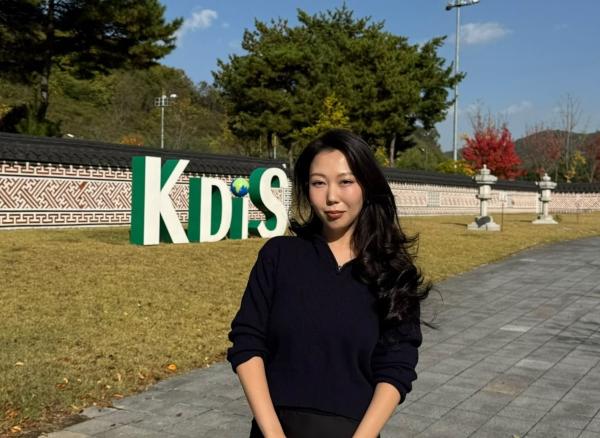
From KDIS to Cambridge and Tsinghua: The Journey of Nurzada Abdivalieva
- Date 2026-10-06 09:00
- CategoryStory
- Hit1333
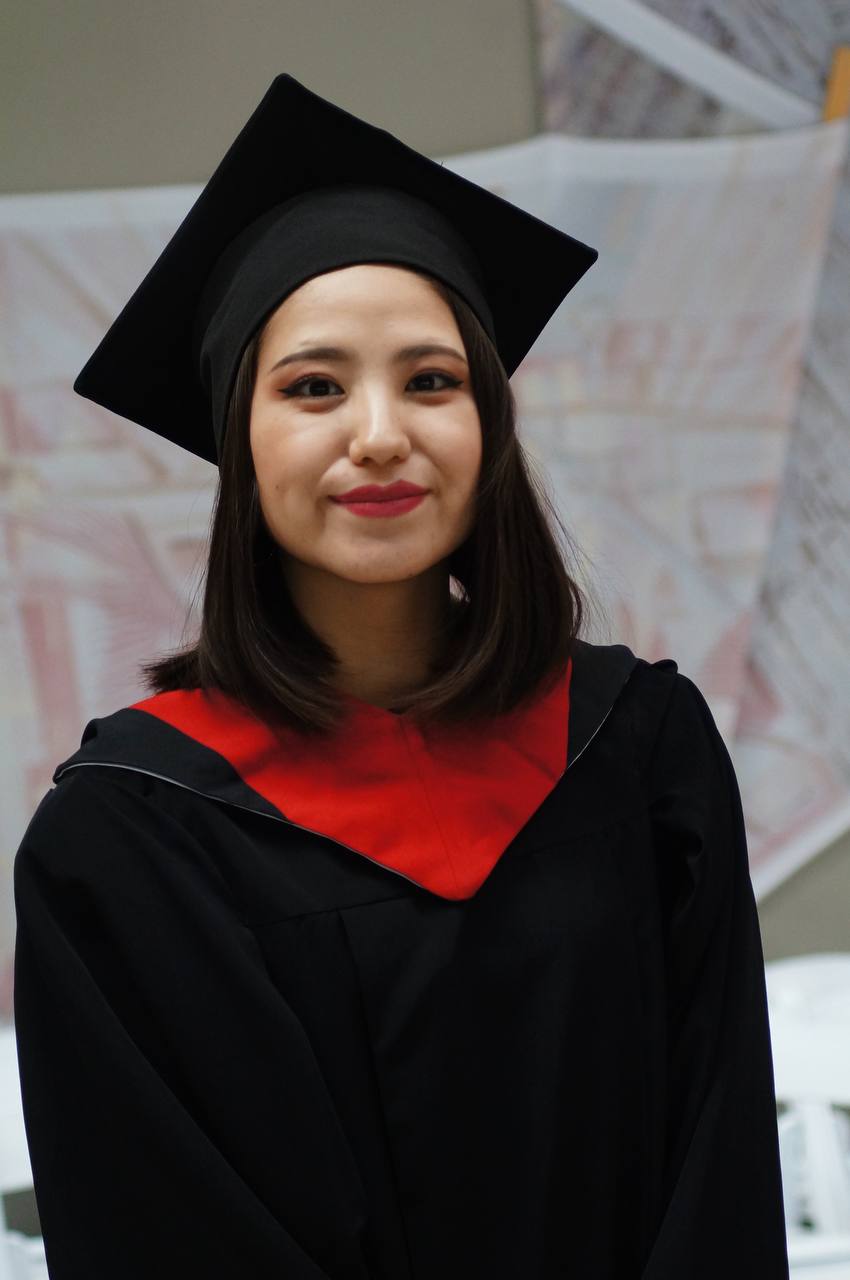
Ask Nurzada Abdivalieva how a student from Kyrgyzstan reached KDIS, Cambridge and Tsinghua, and her answer is surprisingly modest. Keep the promises you make to yourself, she says. Big achievements begin with small actions.
Those promises have taken her from the American University of Central Asia to KDI School of Public Policy and Management, the University of Cambridge and Tsinghua University, where she studied as a Schwarzman Scholar.
We spoke with Nurzada about her journey, what KDIS gave her, and her advice for young women around the world who wonder whether a path like hers could be theirs too.
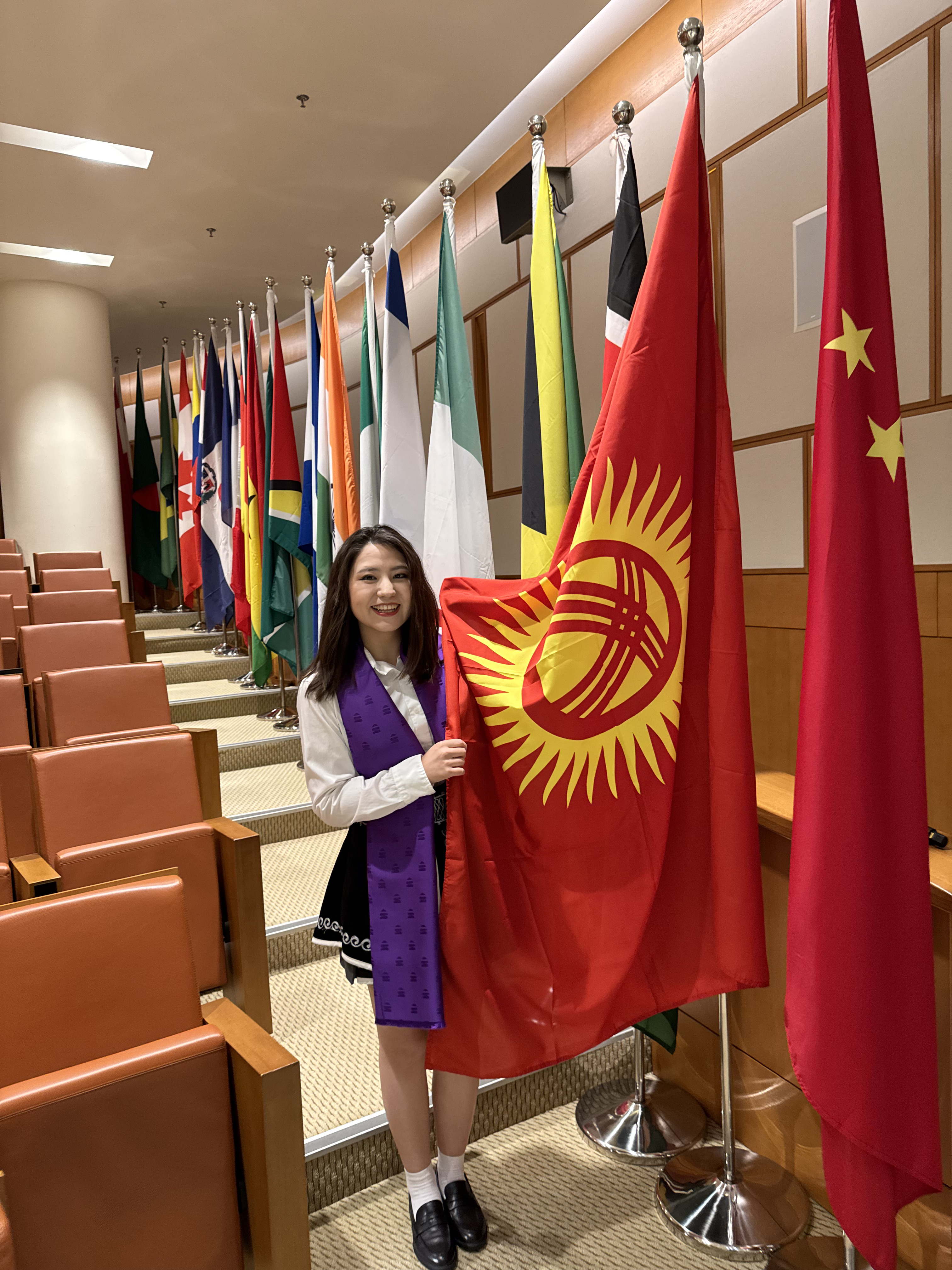
Alongside your impressive academic achievements, what would you like people to know about you?
I am from Osh, a city in the south of Kyrgyzstan. Beyond my degrees, I would like people to know that I am curious by nature and love exploring the world around me. I enjoy figure skating, fashion, pop culture, K-pop, Japan and anime, and every time I find something new that interests me. I don’t do it to be the smartest person in the room. It simply keeps me happy and energized.
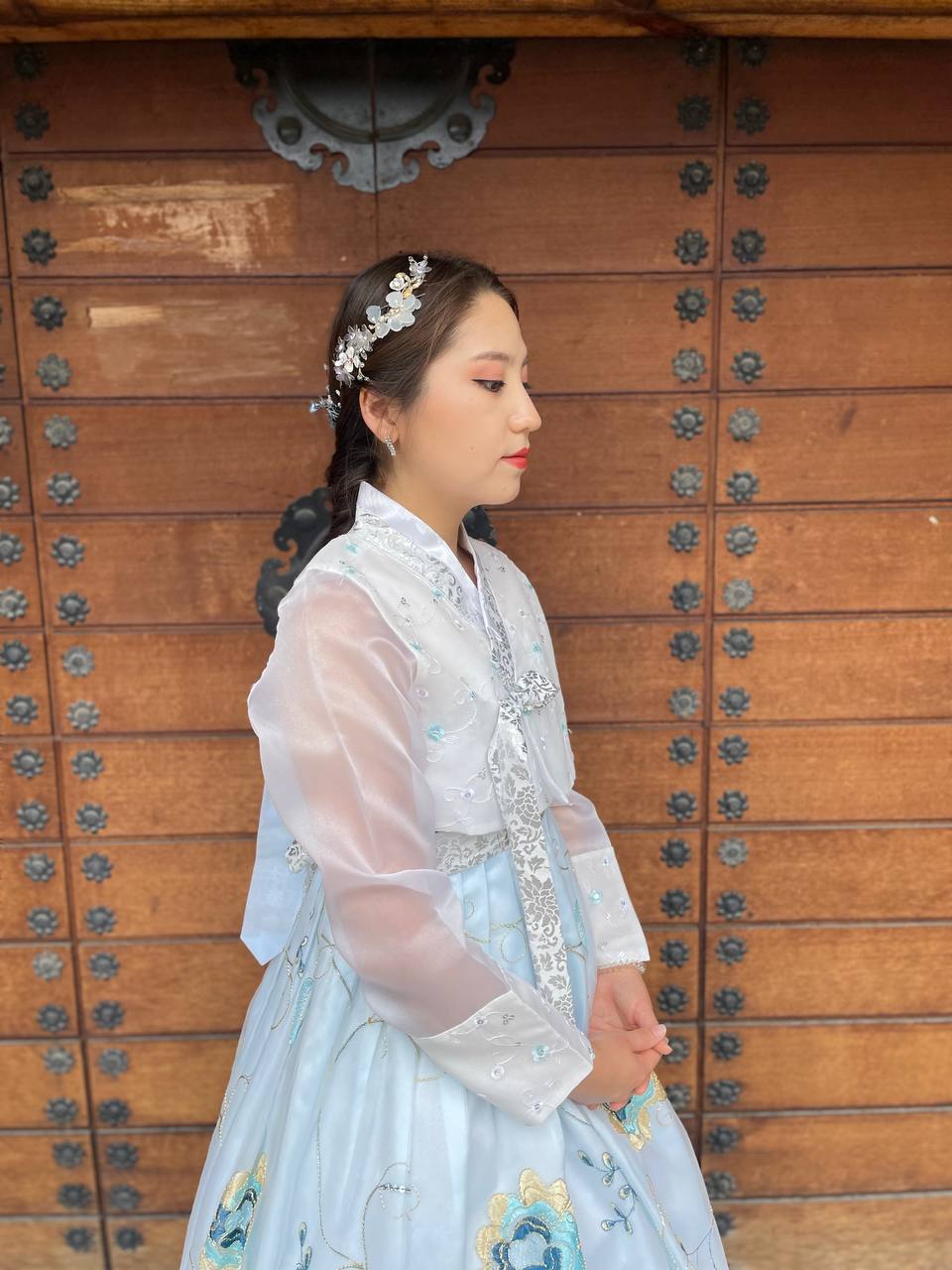
What first drew you to study abroad, and why KDIS?
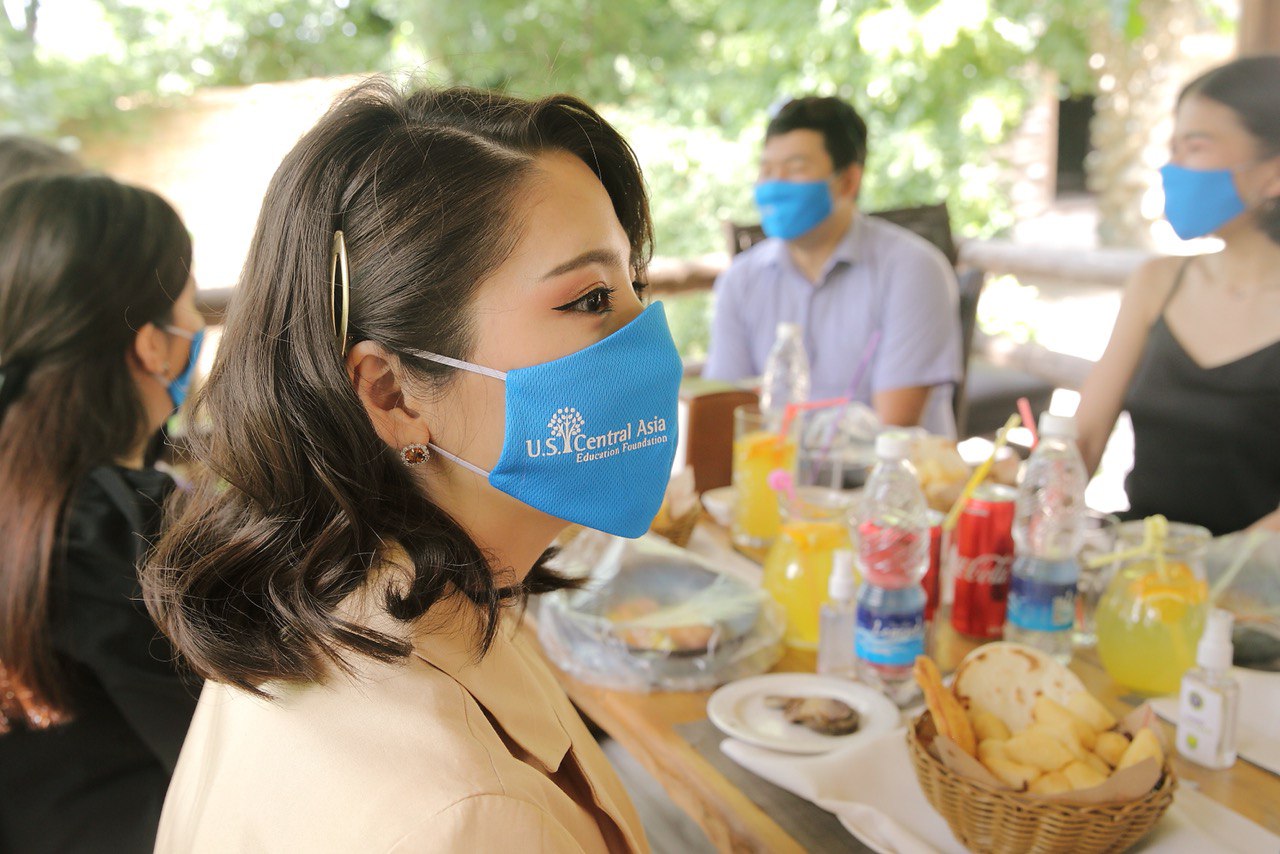
My path began at the American University of Central Asia, where I studied economics on a U.S.-Central Asia Education Foundation scholarship and received a quality education without leaving Kyrgyzstan. I loved economics, but it felt rather general. In my fourth year, I took a public economics class that explored which problems the state solves and why private businesses cannot. I wanted to focus on a narrower field, and that is how I discovered public policy and began looking at programs.
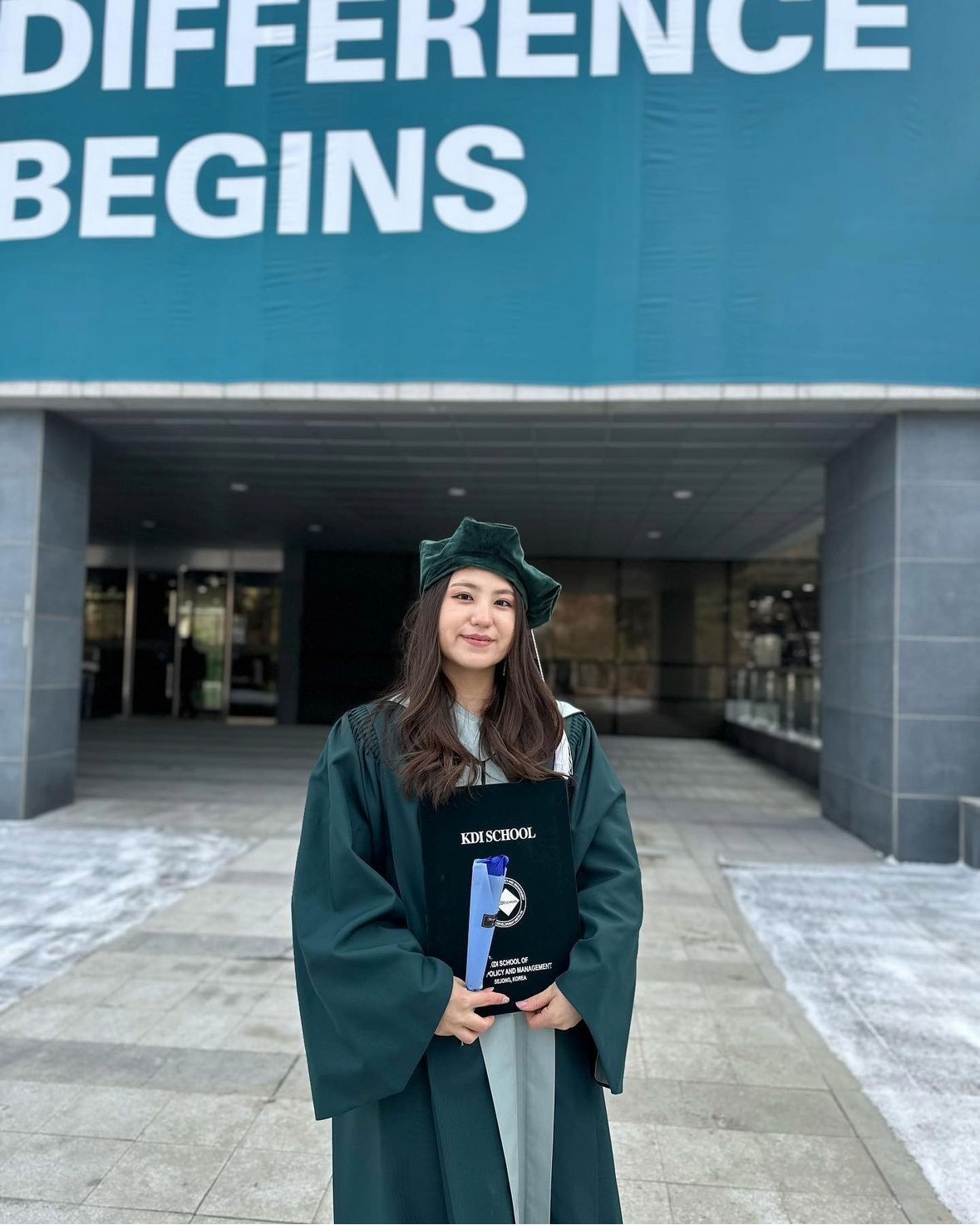
I had always wanted to study in South Korea. I learned Korean in high school and even considered Korea for my bachelor’s degree. That is how I came across KDIS. I was impressed by the university’s website, which was clearly and logically organized, and I found the programs it offered very appealing. After completing an internship in the United States, I applied to KDIS and began my studies in public policy.
How did the road then lead from KDIS to Cambridge and Tsinghua?
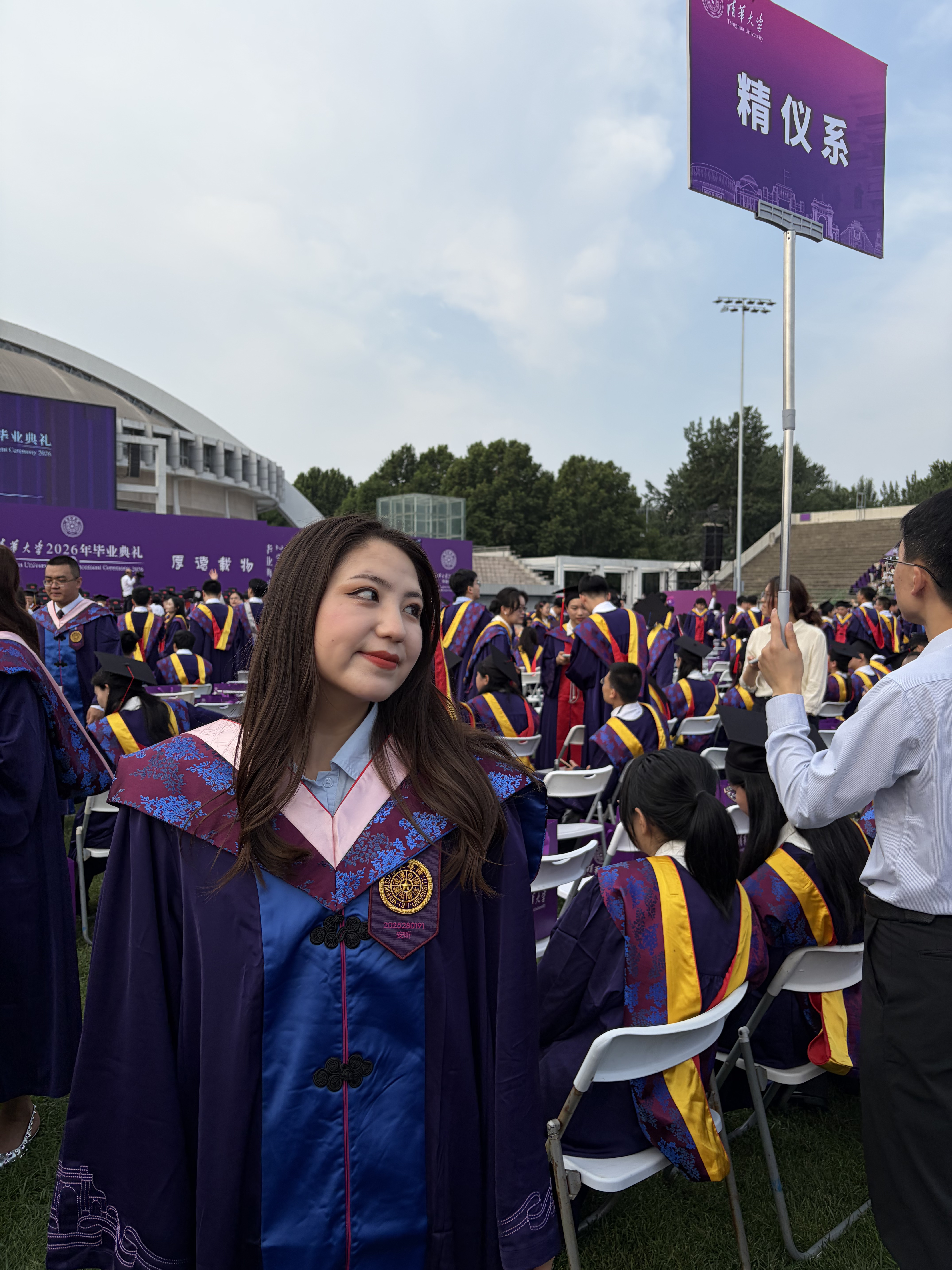
At KDIS, I took a number of many courses in sociology and education and decided to pursue sociology. My academic advisor, Professor Kim Joeun, greatly helped me with my application to Cambridge. Afterwards, I returned home and worked at a research institute at the University of Central Asia. As my experience had been mostly academic, I wanted to gain leadership experience. This led me to the Schwarzman Scholars program at Tsinghua University, where I studied international relations, leadership, and developed practical skills such as networking, pitching and presenting my ideas.
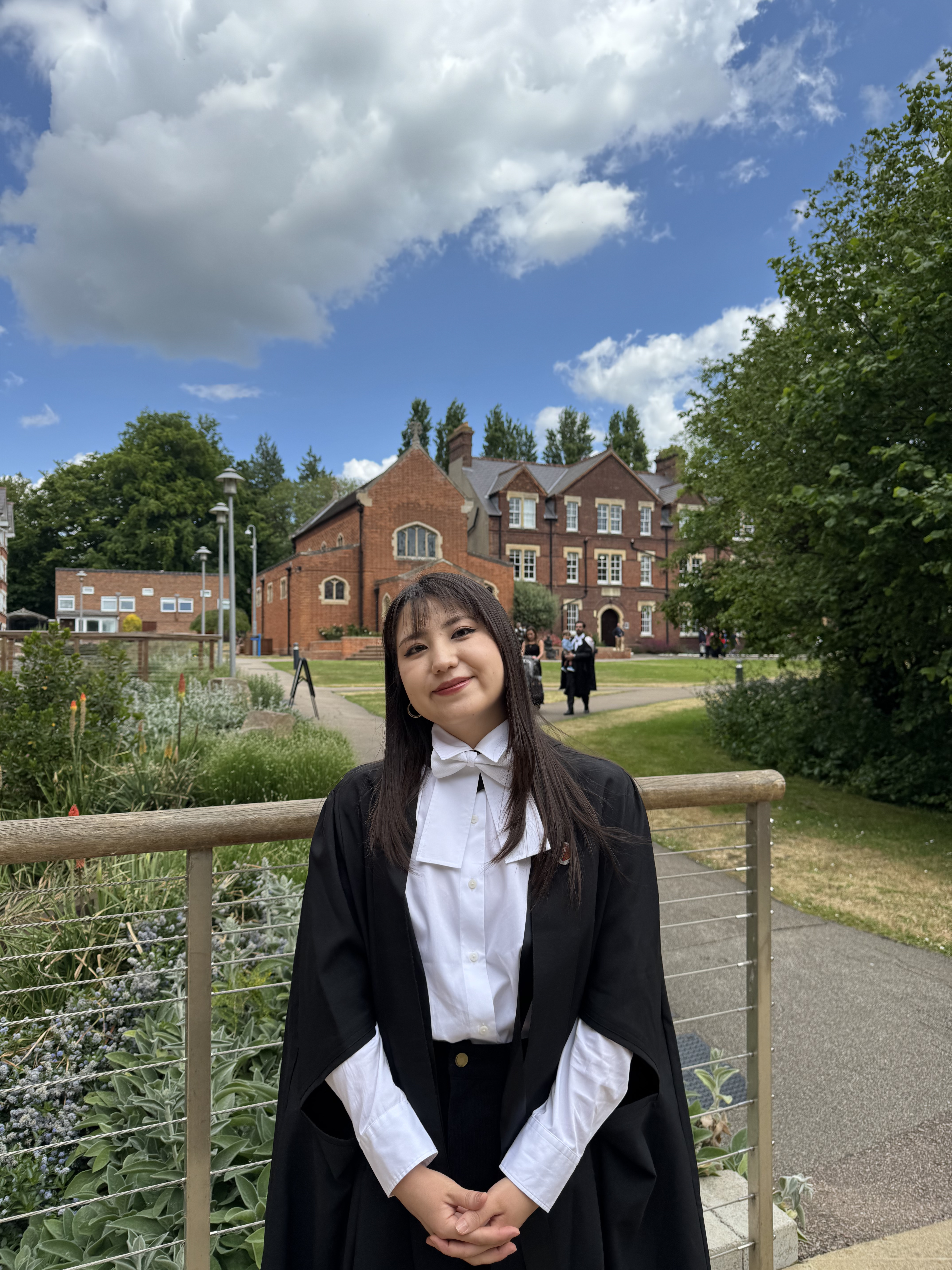
What did KDIS give you, academically and personally?
Most of all, KDIS brought wonderful people into my life. I am still in touch with my professors, who continue to write my recommendation letters and with whom I share every achievement, as well as with my friends from Georgia, Indonesia, the Philippines and many other countries.
Academically, KDIS equipped me with important skills. I learned to narrow down a broad problem, assess it, find solutions and make practical recommendations.
KDIS also helped me grow in confidence. When I said I wanted to apply to Cambridge, everyone supported me. Some professors even asked why I was not applying to Harvard for a PhD. I also had many opportunities beyond the classroom.
I worked as a student reporter, at the Academic Writing Center, at the Human Rights Center, and as a class assistant. I also never missed an opportunity to take part in student life and cultural events.
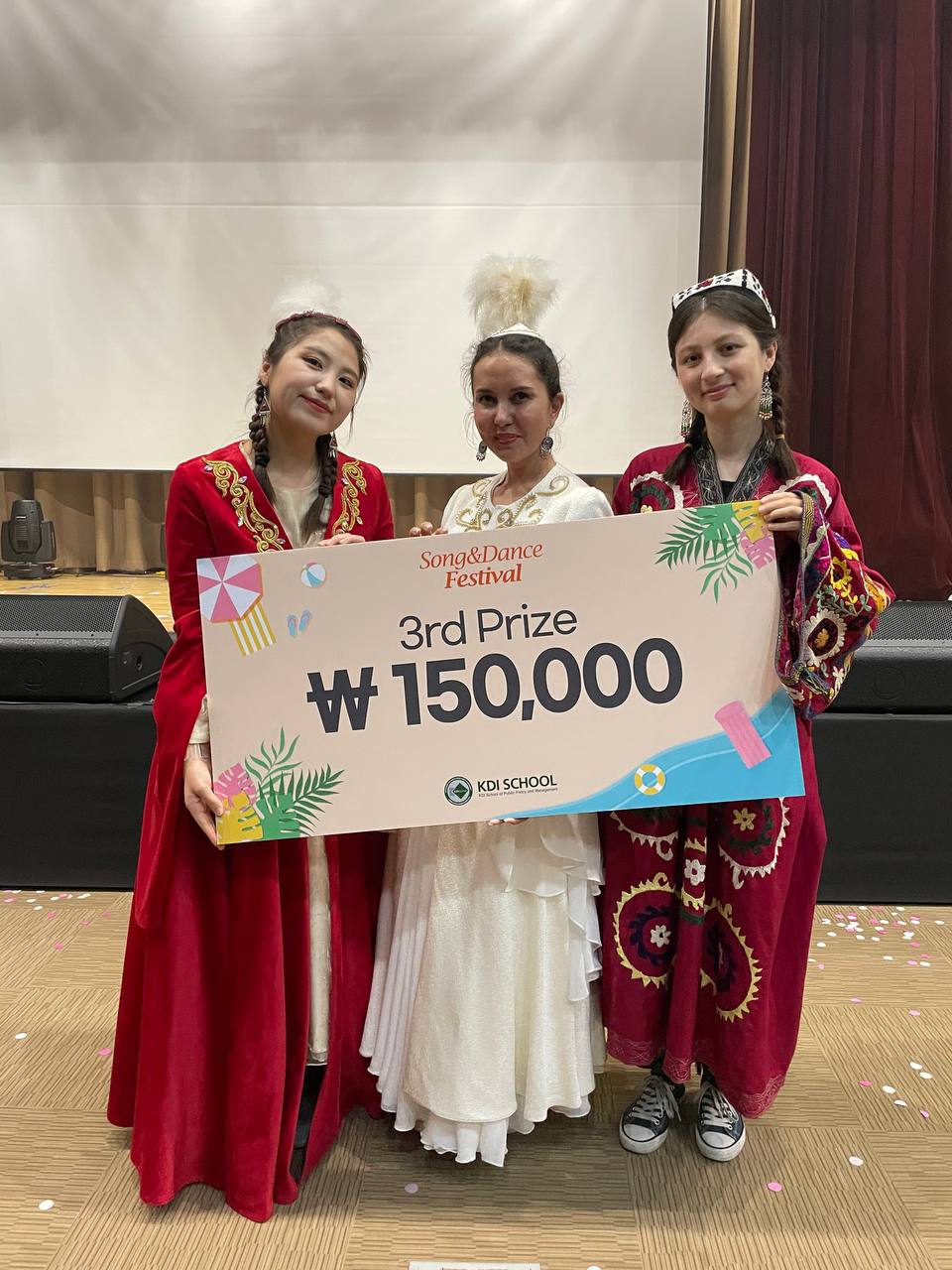
Was there a professor or class at KDIS that changed the way you think?
I never had a boring class, and I was lucky that every professor knew how to engage us. I will name just a few. Professor Kim Joeun taught me Gender and Development and Social Inequalities, and she opened my eyes to many things. I had always focused on economics and topics such as productivity, but she would ask, “What about distributing those resources fairly?” In Professor Paik’s Monitoring and Evaluation course, I learned to think more critically and to write concise and effective policy memos.
What would you say to young women who wonder whether a path like yours is possible for them?
I truly believe young women today are even luckier than I was. With artificial intelligence, abundant information and far more content about studying abroad, there are so many more opportunities now. Education is very important, and I would gently encourage them not to rush into marriage.
Take the time to understand what you really want. Live in harmony with yourself, find your calling and follow your passion.
What are you working toward now, and where does Kyrgyzstan fit in?
My main goal right now is a PhD, and I am preparing for it diligently. I would like to continue in public policy or education policy and focus my research on Kyrgyzstan. I find research fascinating, and Kyrgyzstan offers so many unique cases that deserve closer study.
Alongside this, my business partner and I are building a platform that helps people write statements of purpose and CVs and prepare for university admissions. It is still in development, and we want it to be as simple and accessible as possible.
I also run a blog, where I share what I know and help people with their applications. I would call it a passion project of mine, and it is also where I share stories from my travels and everyday life.
What small step could a student take tomorrow toward a path like yours?
Keep a promise you have made to yourself because big achievements begin with small actions and kept promises. The book “Atomic Habits” helped me set small goals that are easy to achieve.
Is there a motto or a person that keeps you going?
I make decisions with ease. When I know what I want, I do not overanalyze. Either you take a risk and your life changes for the better, or you fail and still learn something, draw conclusions and take away valuable lessons.
As the saying goes, “Fail fast and move fast.” Quick decisions free up space for new ideas, while an unmade decision stays in your head and drains your energy.
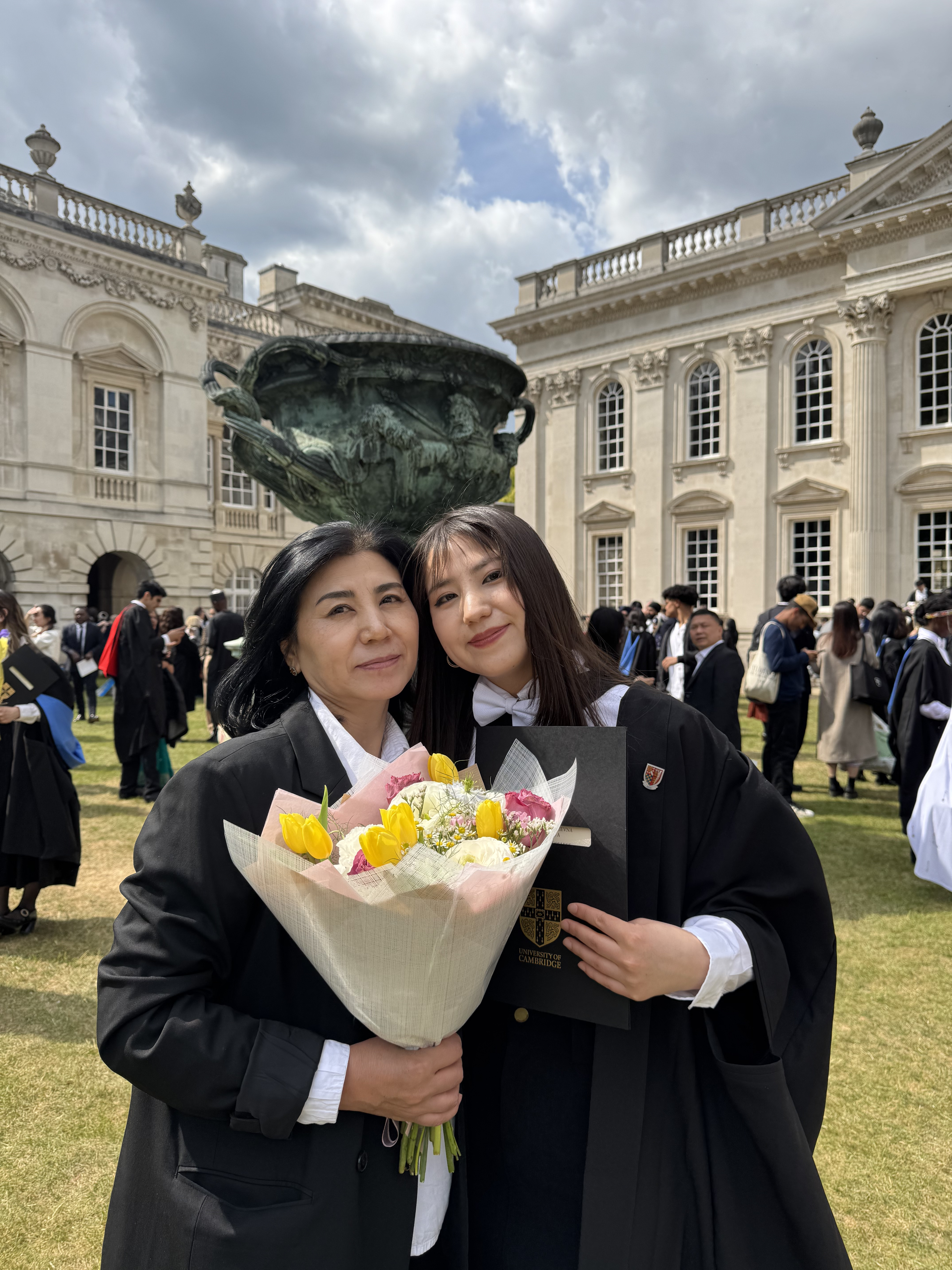
As for a person, it is my mother who inspires me most. She always encouraged me to study, believed in me and supported me in everything. She always told me I would study at top universities.
When the person closest to you believes in you, it becomes easy to believe in yourself and start acting. This year, my mother completed her own master’s degree at KDIS.
Nurzada’s journey began with small promises kept, one after another, across three countries. But perhaps the most touching detail came at the very end. The woman who told her, long before any of it happened, that she would study at the world’s top universities is now a KDIS graduate herself. At KDIS, their story continues across two generations.
ERKINBEK KYZY, Aidai
2026 Spring / MDP / Kyrgyzstan
aidai1301@gmail.com
Related News
-
Story 2026-11-06
Beyond the Laboratory: How a Biotechnology Background Led One Mongolian Student to KDI School -
Story 2026-11-05
Peace in Diversity, Love in Unity: A World of Cultures at KDI School#KDISCHOOL #KDIS #student #culturefestival #diversity #culture
-
Research and Education 2026-11-04
Republic of Korea Economic Bulletin, November 2026#KDI #Economic #KDISCHOOL #kdischool #Economic Bulletin #Research