

NEWS

BACK TO LIST


Beyond the Syllabus: Lessons Outside the Classroom
- Date 2026-10-15 08:50
- CategoryStory
- Hit1272
The first thing that caught my attention wasn't the basketball court, it was the bench. KAIST's players sat ready on the sidelines, deep and prepared. KDI School's team had less depth on the bench: fewer substitutes, and a mix of students with wildly different levels of experience. For a moment, I wondered if KDIS stood a chance. Then the whistle blew.
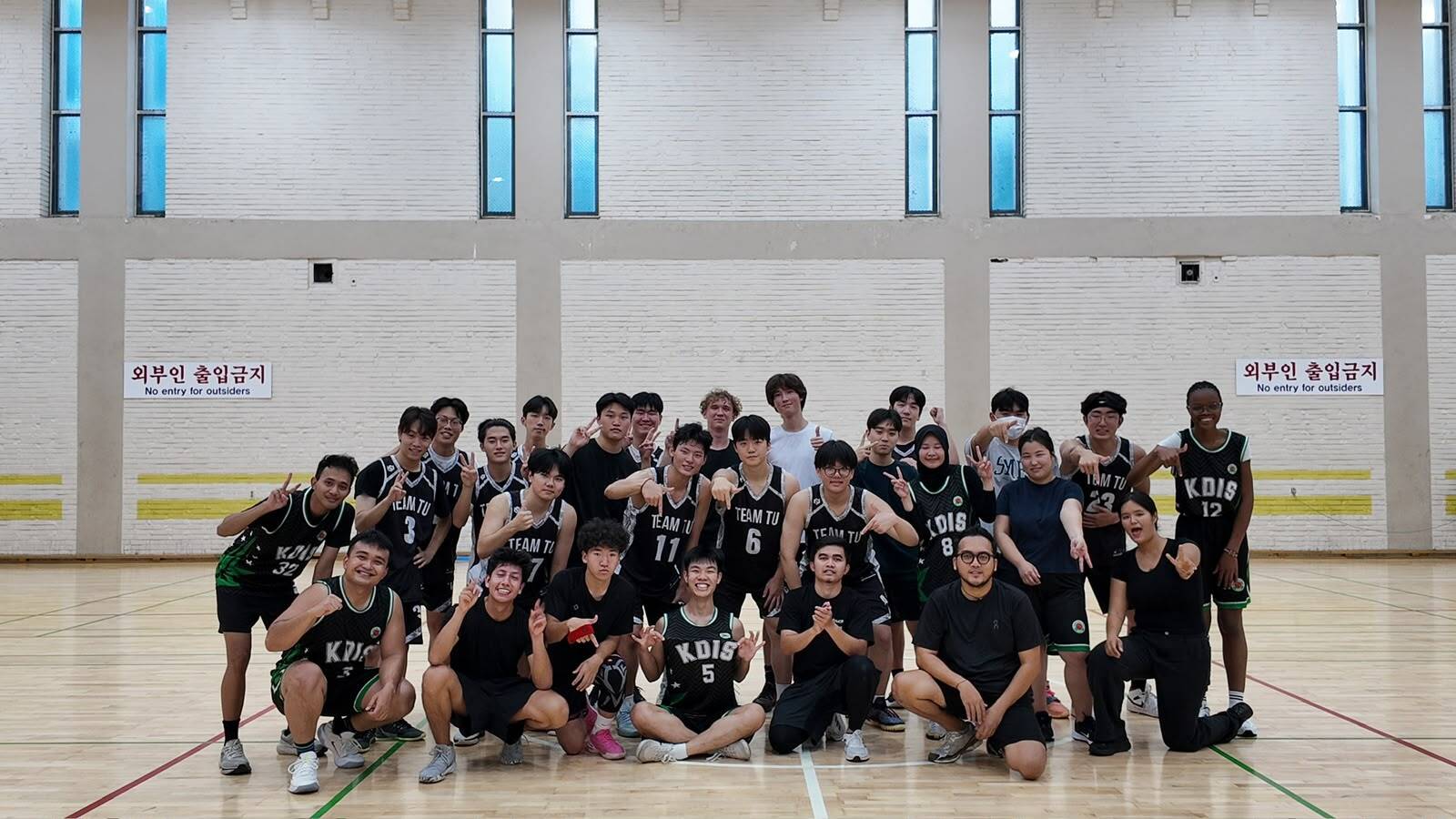
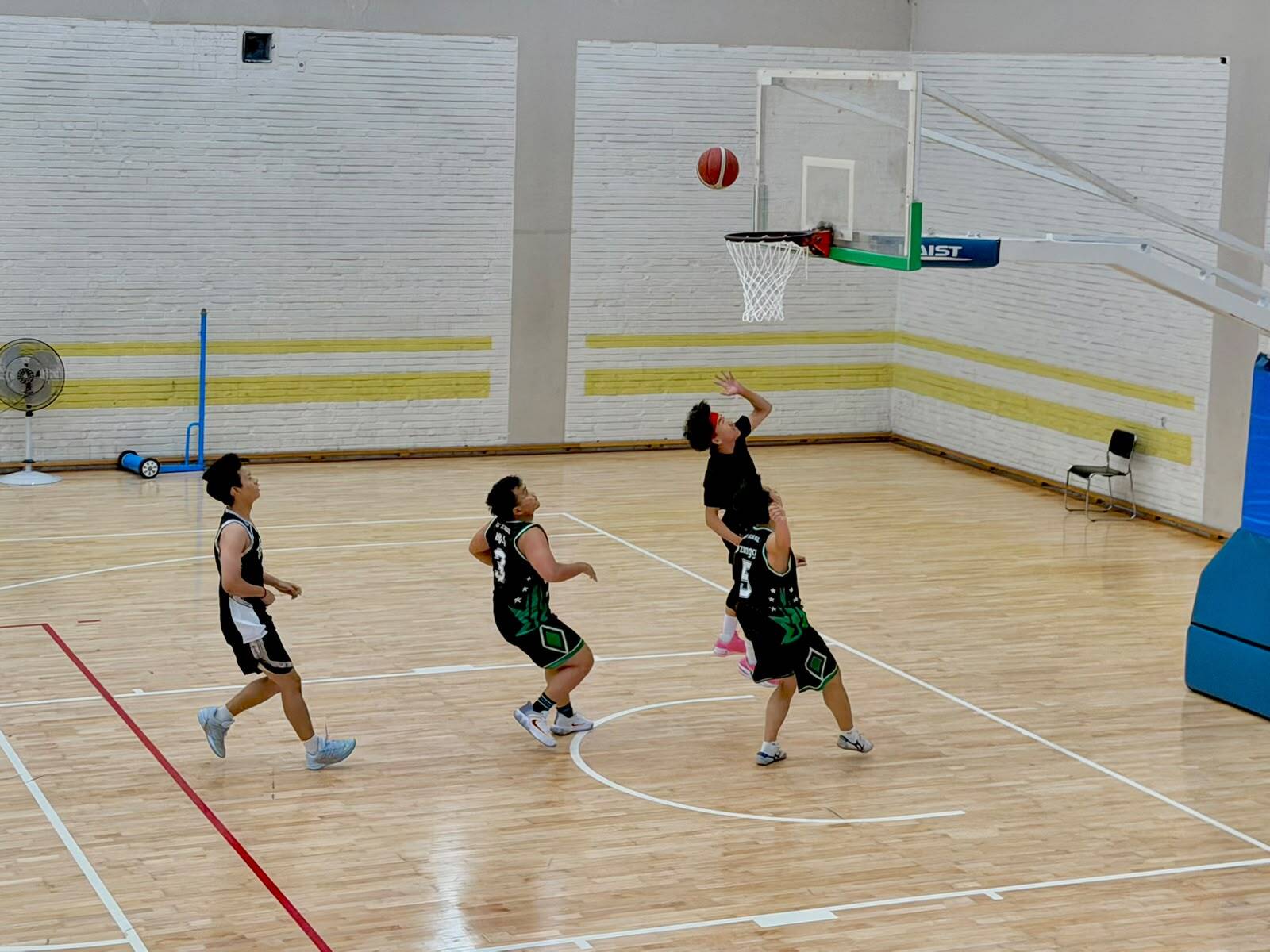
On September 20, KDI School students visited KAIST to watch the KDIS basketball team take on their hosts. What looked like a mismatch before tip-off turned into something far closer than anyone expected. KDIS stayed within striking distance until the final minutes, ultimately falling 28–23.
For Nursufia Suria (MDP, Malaysia), who watched from the stands, the final score mattered less than how the team carried itself under pressure.
"Even when we were facing a stronger opponent from the beginning, the team continued to support and encourage each other," she said. That support wasn't confined to the court. Students cheered from the sidelines throughout the match, giving the players one more reason to keep pushing as the clock wound down. For Suria, that was the part of the day that stuck with her.
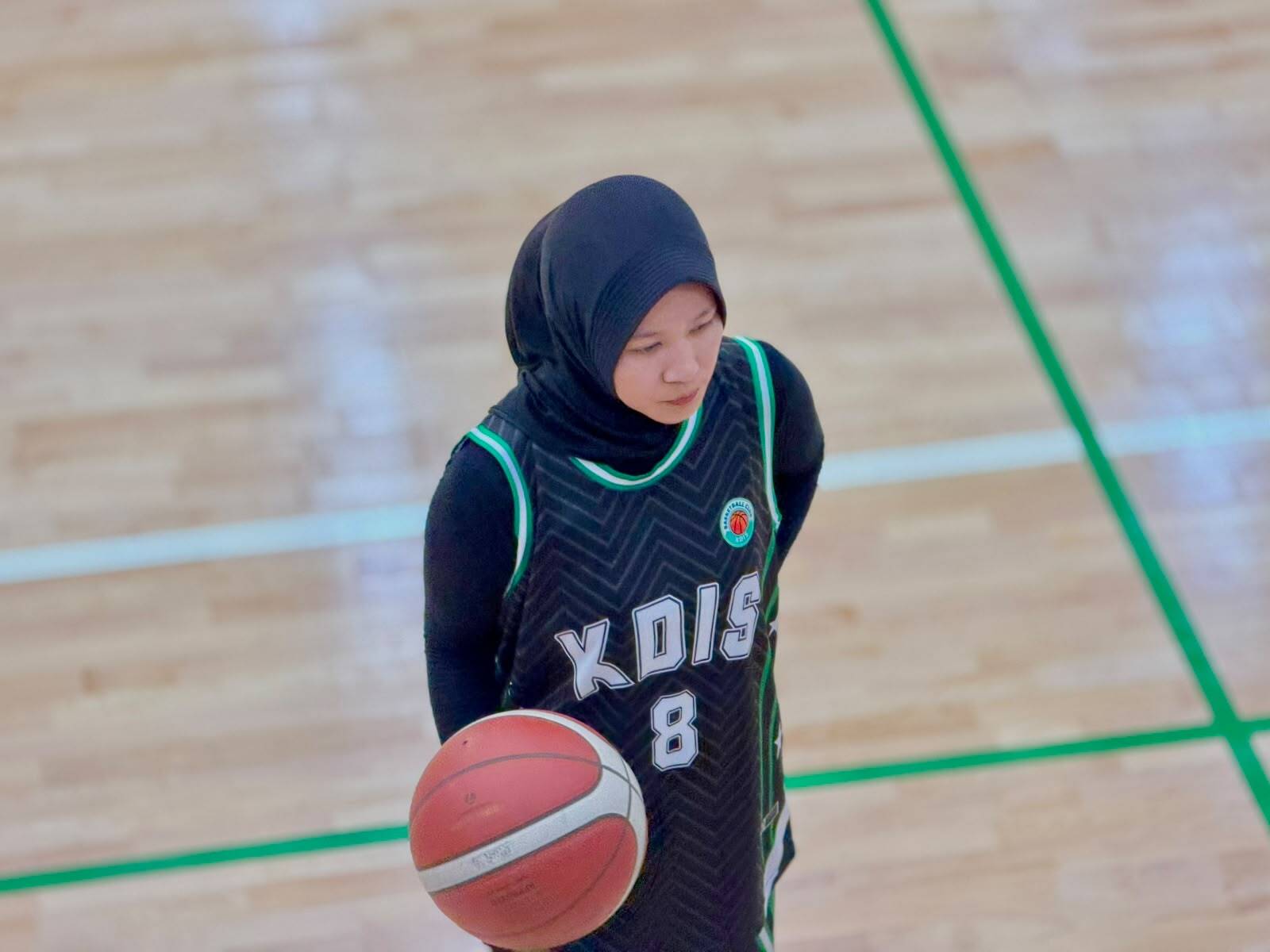
"Whether it is in our studies, life at KDIS, or work, we will face challenges and setbacks, but having a strong team and people who support us can help us stay motivated and keep moving forward, regardless of the outcome" she said.
According to the team's representative, Fitto Mustika Deny (MDP, Indonesia), the tactics and coordination the team adopted were never really about winning, though a win would have been awesome. It was a chance to build connections and grow as a team, tackled with enthusiasm rather than pressure. The team didn't need a win for the experience to matter. They needed to stay in it: adapting, communicating, and playing for each other until the final buzzer.
Basketball is just one way KDIS students are learning to push through unfamiliar challenges. The KDIS cycling club offers another: since the start of last semester, it has been teaching students, some for the very first time, how to ride bicycles.
Khan, Enara (MDP, Pakistan) didn't know how to cycle before coming to KDIS. Back home, she said, cycling isn't common, especially for girls. It was only in Korea that she saw how ordinary, and how useful, riding a bike could be. The process wasn't smooth: she fell twice and even got hurt. She kept trying anyway. Now cycling is something she does not just for fun, but to reset between long stretches of coursework.
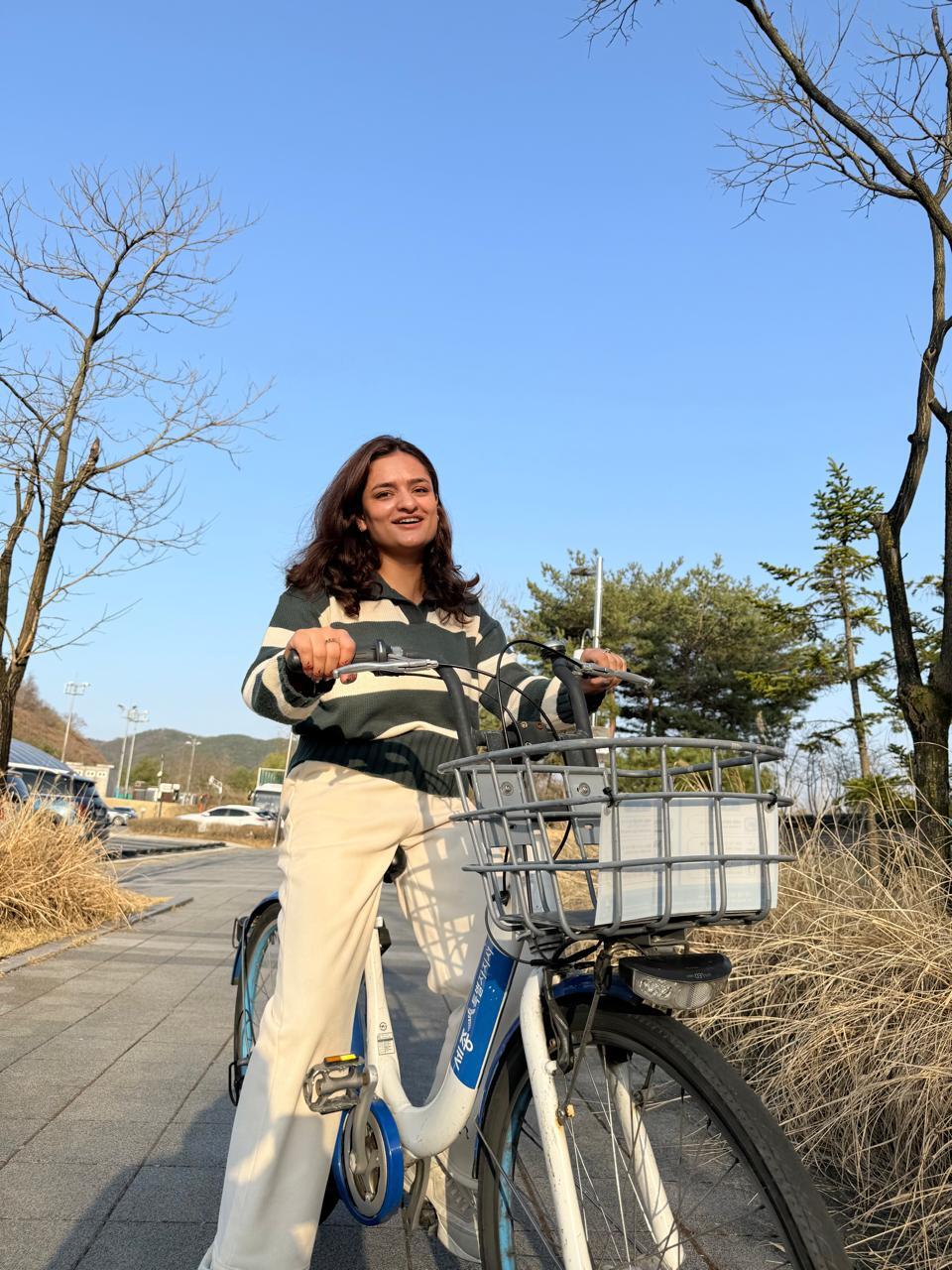
"I think students gain more than just a practical skill," she said. "They gain confidence, independence, and the willingness to try something new." Having once struggled to learn herself, she now finds it rewarding to teach other beginners the same skill.
To an experienced cyclist, riding looks effortless, almost automatic. To a beginner, every part of it is a small negotiation: climbing on, finding balance, steering, falling, and getting back up to try again. And often, the person offering guidance is a classmate who, minutes earlier, was simply a peer sitting beside them in a class or seminar.
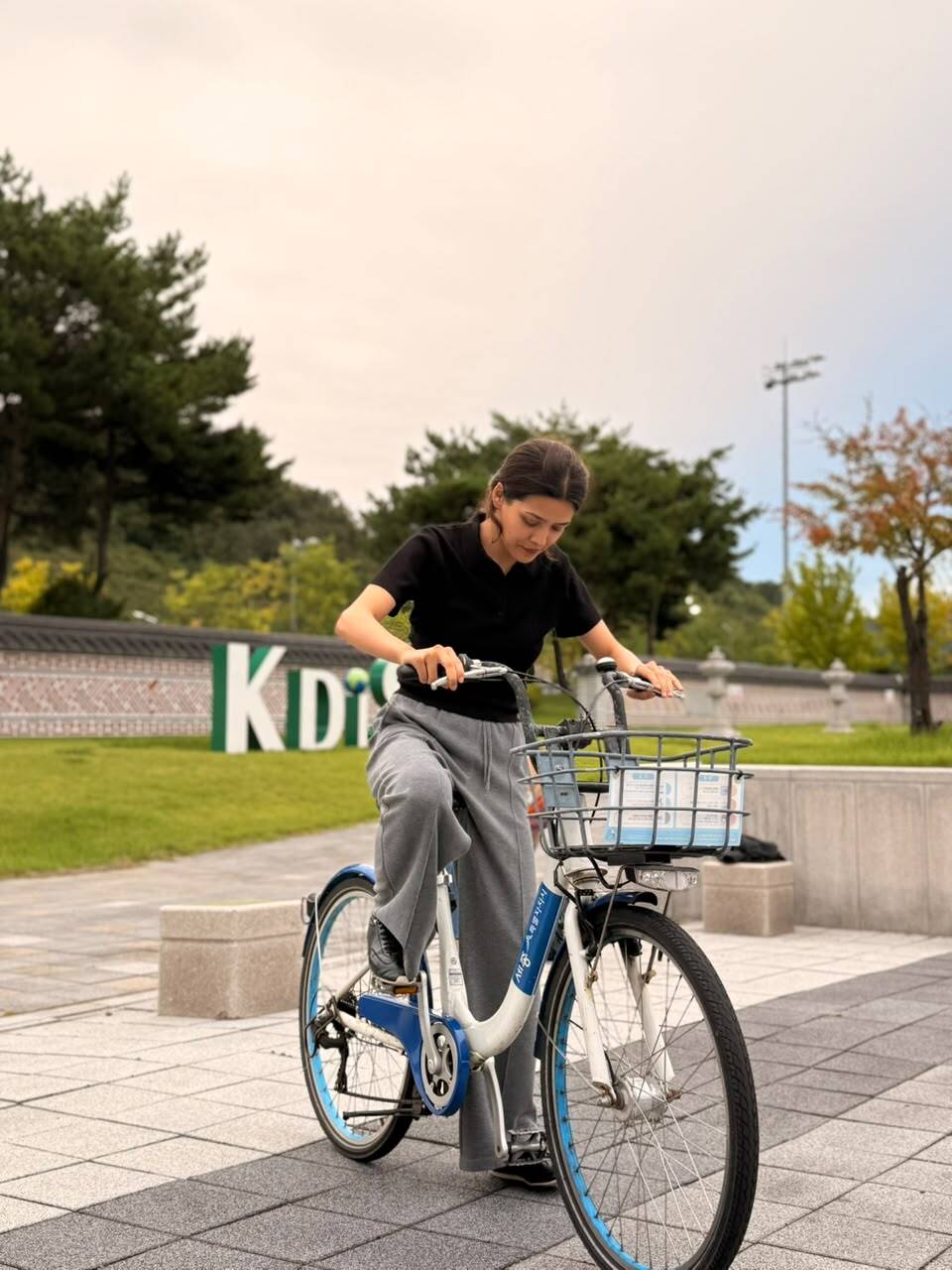
That reversal of roles is what makes KDIS student clubs so interesting. Inside the classroom, students bring degrees, professional careers, and expertise from every corner of the world. Outside it, those credentials are set aside. A lawyer becomes a first-time cyclist. An economist becomes entirely dependent on a teammate. A professional used to leading projects suddenly becomes the one being taught.
Victoria Adetula (MDP, Nigeria) drew a similar lesson from both the basketball game and cycling: even when expectations don't go as planned, a stronger opponent, a wobbly bike, a fall, the right strategy can still carry you through.
Adetula is also learning to cycle this semester, and she said the same principle applies on two wheels as it does on the court: it's not just about how strong or skilled you are, but how well you adjust when something goes wrong.
"This is something I can apply to my profession when I go back home," she said. "Even if my team isn't the most skilled, a good strategy can help us make the most of what we have."
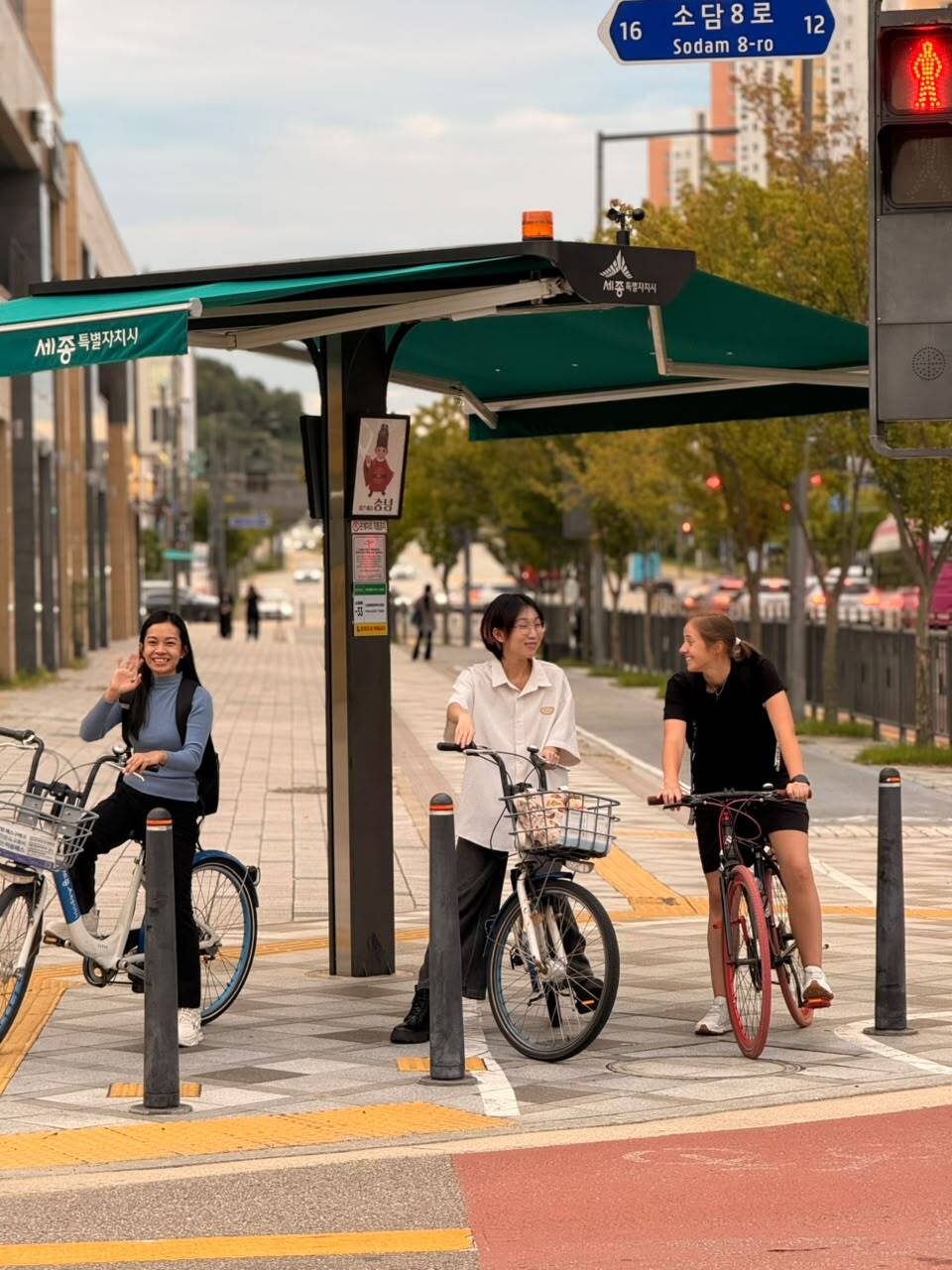
Uncertainty as practice, this is the real story behind KDI School clubs. They aren't just ways to fill time after class, they place students in situations they can't fully control or master on the first try. A basketball team can't dictate how its opponent plays. A beginner can't bring a bicycle into balance just by understanding the physics behind it.
In these moments, students have to react, listen, adjust, and try again, often in front of people watching them fall.
As students training for careers in public policy, development, and other fields built on collaboration across cultures and disciplines, that kind of uncertainty is oddly familiar. The classroom teaches students how to analyze a problem. The clubs teach them how to sit with a problem that has no slide, no rubric, and no clear next step.
For some, the lesson comes from a five-point basketball loss. For others, it comes from finally balancing on two wheels for the first time. Neither moment will show up on a transcript, but both may be part of what we students carry with us long after we leave KDI School.
At KDI School, the learning doesn't stop when class ends.
OZIEGBE, Susan Eseiwi
2026 Fall / MPP / Nigeria
Susaneseiwi3000@gmail.com
Related News
-
Research and Education 2026-11-18
Studying Migration While Living It: Reflections from a KDI School Workshop -
Story 2026-11-17
Behind Each Beginning: Three Korean Students’ Journeys to KDI School -

Story 2026-11-06
Beyond the Laboratory: How a Biotechnology Background Led One Mongolian Student to KDI School