

NEWS

BACK TO LIST


Research Networking Day: From Research Interests to Research Questions
- Date 2026-10-22 13:59
- CategoryResearch and Education
- Hit812
Choosing a research topic often begins with an interest, but turning that interest into a research project raises other questions, like what is worth investigating? What evidence is needed? And should the final work be an SRC, thesis or a capstone? Sometimes, the hardest part is knowing where to begin.
For Fall 2026 master’s students at KDI School of Public Policy and Management, Research Networking Day, held on October 16, offered an opportunity to start finding answers. Through discussions with peers, faculty guidance, and a practical research exploration tool, students were encouraged to explore their interests and consider how their graduation research might take shape.
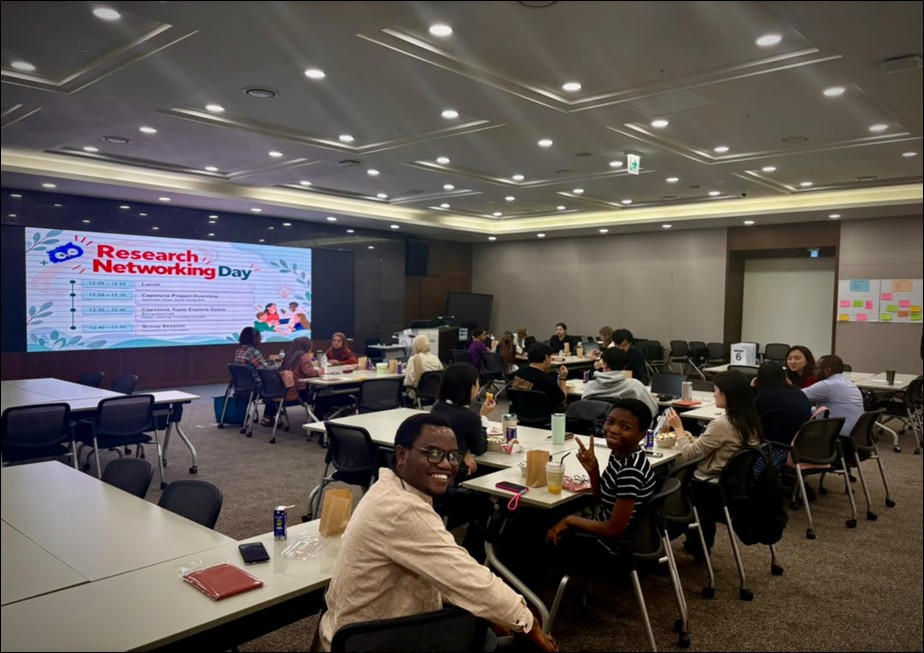
In his opening remarks, Associate Dean Kim Dong-Young encouraged students to use their existing research interests as a starting point for graduation research. Students might not yet know precisely how to investigate a subject, he explained, but the interests that informed their decision to study at KDI School could provide a foundation.
He also introduced the capstone project as an opportunity to apply knowledge gained throughout the degree to real-world public policy or management problems. The aim is not simply to describe what happened, but to develop reasoned solutions and consider how those solutions might be implemented.
This distinction offered students an important reminder: identifying a topic is only the beginning. Research also requires a clear question, an appropriate approach, and an understanding of what the work is intended to achieve.
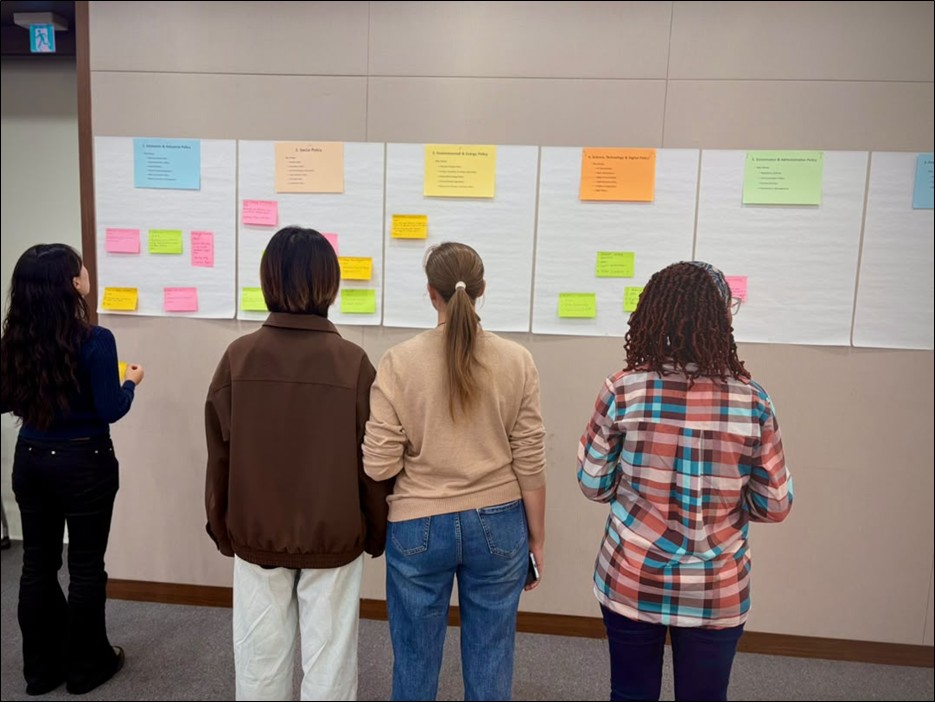
The first activity brought students’ interests into view. Participants wrote their research interests on sticky notes and placed them beneath relevant topics displayed on a board. As the board filled, students could see the range of issues their peers hoped to explore and identify others with similar interests.
Enkhtur Zolzaya (MDP, Mongolia) highlighted that the opportunity to exchange ideas helped clarify her own direction.
“Attending the event helped me clarify my research direction. It was valuable to speak with other students and learn about many different areas of interest. Hearing their ideas helped me gain different insights, and sharing my research interests with others gave me a clearer view of my own,” she said.
The activity offered a simple but useful starting point - a research interest that initially feels personal can become clearer when discussed with someone approaching a related issue from another perspective.
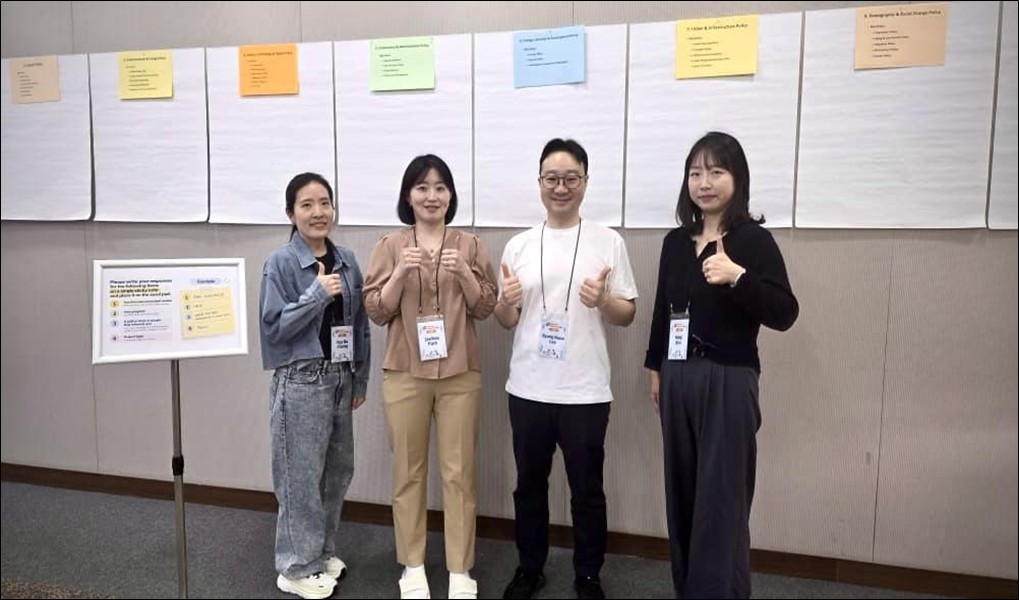
Even after identifying an area of interest, students must also consider how to narrow a broad subject into a manageable research project. KDI School Learning Innovation Team introduced the Capstone Project Topic Explorer, a tool that allows students to enter a policy area and explore possible capstone topics. For students who have a general interest but not sure how to develop it further, the tool offers another way to consider possible research directions.
The breakout sessions provided a different kind of guidance. Students were grouped according to their interests, giving them opportunities to discuss potential projects with peers and faculty.
In Group Two, students explored topics ranging from affordable housing and education to wildlife and forestry, unemployment, and youth advocacy. Although their interests differed, they shared a common challenge: turning an issue they cared about into a viable graduation research project.
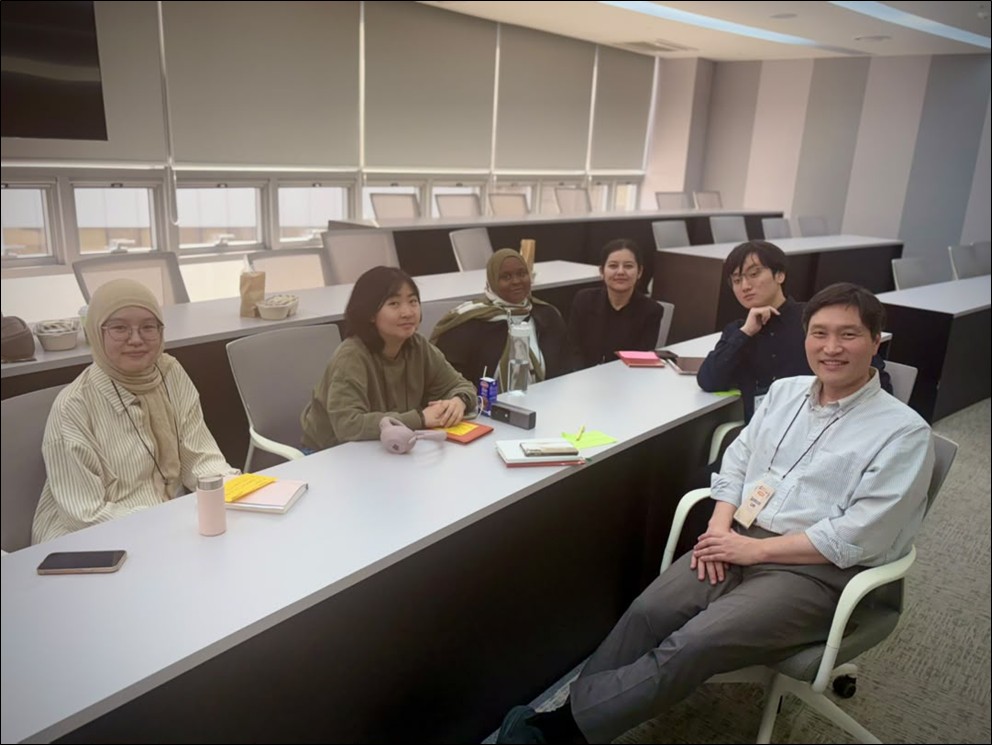
Facilitated by Professor Junesoo Lee, the discussion also addressed the differences between a thesis and a capstone. Professor Lee noted that a thesis generally focuses on an academic research question and seeks to explain a phenomenon, while a capstone emphasises practical problem-solving and considers what can be done about a policy or management problem.
For students still considering their options, the discussion provided another opportunity to think beyond the subject itself. They could begin asking not only what they wanted to research on, but also what kind of answer they hoped their research would produce.
In his group, one of the most valuable outcomes for George Chitsanzo Chinkunda (MPP, Malawi) was hearing from a fellow student who was also interested in social insurance research.
“He guided me on what aspect of my general topic I could look at and the kind of data I would need,” Chinkunda said.
Although the two students came from different national contexts and were interested in different research formats, they found common ground in social insurance. Chinkunda is considering a capstone, while the other student a thesis. They exchanged email addresses so they could continue sharing ideas and supporting each other as their projects develop.
Chinkunda’s experience illustrates how research networking can extend beyond meeting people. Discussing a shared interest can help students identify a more specific direction, consider what data they might need, and discover approaches they had not previously considered.
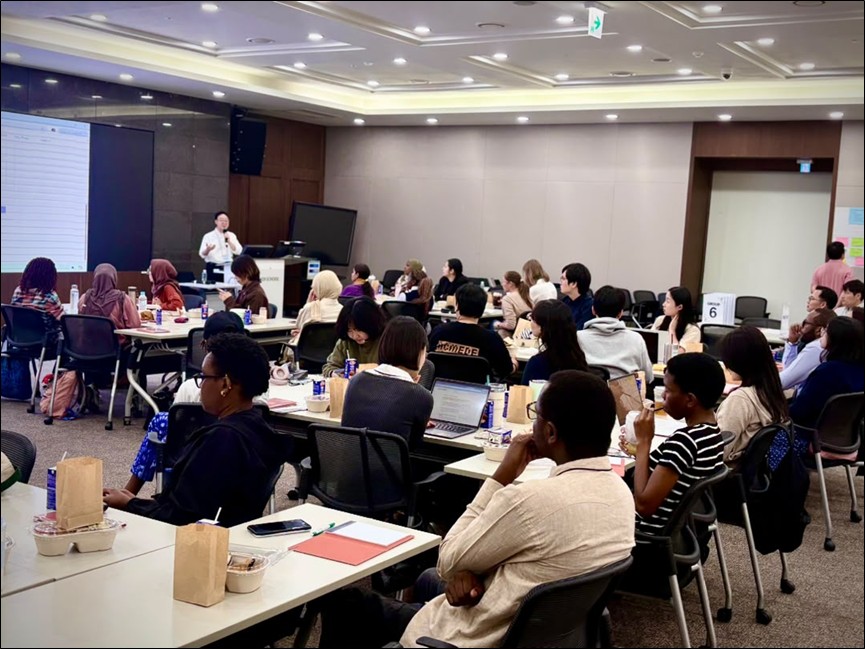
The connection demonstrates how research networking can offer more than an exchange of contact details. A conversation with someone exploring a related issue can help a student identify a more specific direction, consider the data required, or recognise an approach they had not previously considered.
That perhaps, is the most important takeaway from Research Networking Day: students do not have to know every step of their research journey before taking the first one. An interest can become a question through reflection; a question can become clearer through conversation; and a conversation can lead to a connection that makes the next step easier to see.
The research itself still lies ahead. But for students who arrived wondering where to begin, having a clearer direction, a useful resource tool, or another person to exchange ideas with may be a meaningful place to start.
OZIEGBE, Susan Eseiwi
2026 Fall / MPP / Nigeria
Susaneseiwi3000@gmail.com
Related News
-
Story 2026-11-06
Beyond the Laboratory: How a Biotechnology Background Led One Mongolian Student to KDI School -
Story 2026-11-05
Peace in Diversity, Love in Unity: A World of Cultures at KDI School#KDISCHOOL #KDIS #student #culturefestival #diversity #culture
-

Research and Education 2026-11-04
Republic of Korea Economic Bulletin, November 2026#KDI #Economic #KDISCHOOL #kdischool #Economic Bulletin #Research